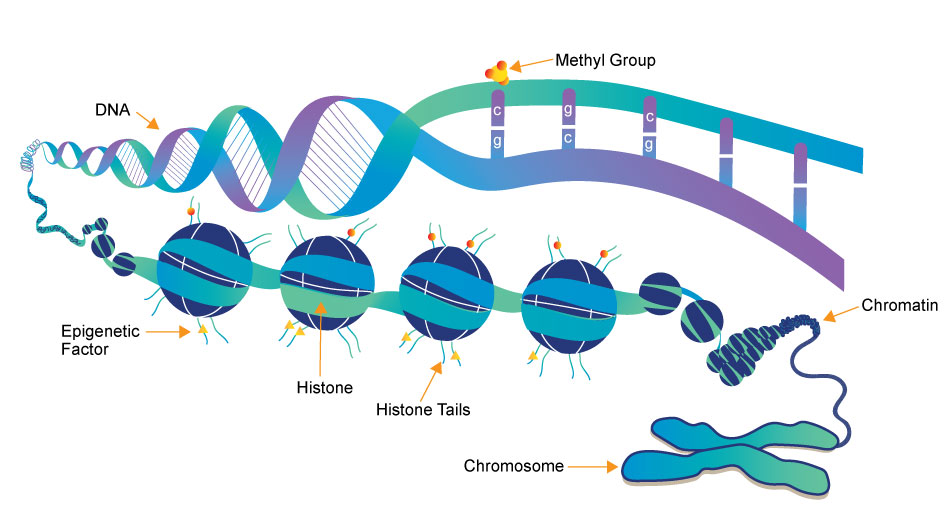
Epigenetics is the study of how behavior and environment create change in gene function. Cells control gene activity without changing DNA sequence. Changes in epigenetics structure regulate whether genes are on or off. Types of epigenetic changes include DNA methylation, Histone modification, and Non-coding RNA.
Courtesy of whatisgenetics.com
DNA methylation is when a chemical group is added to DNA blocking proteins that reads the gene. When a chemical group is removed in demethylation the gene is off and in methylation the gene is considered on. With histone modification, DNA wraps around histones making sure proteins that read these genes cannot access the DNA. The addition of chemical groups determine if a gene can be changed to wrapped or unwrapped. Non-coding RNA is when instructions from DNA are needed to form coding RNA and non-coding. This is needed for the creation of proteins and helps control gene expression.
Courtesy of pnas.org
Errors in the epigenetic process such as error in modification and failure to add a chemical group to a histone, can result in abnormal gene activity. Cancer, degenerative disorders, and metabolic disorders, are effects of epidemic errors.
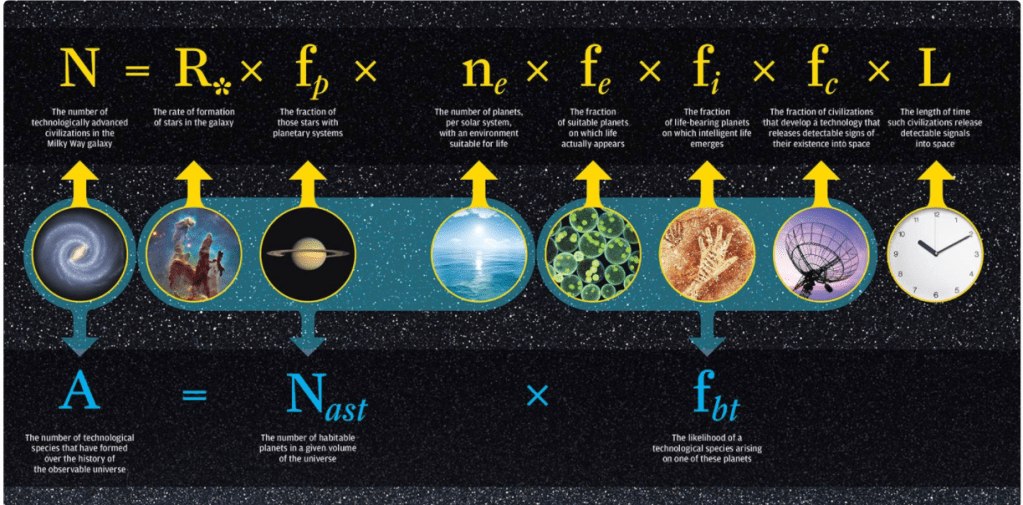
We all wonder if it is possible to have life beyond Earth. In the late 20th century, scientists claim to have found the possible remains of bacterial life in a Martian meteorite, brought the question of the existence of life beyond the Earth to the forefront of science exploration. Although there is no confirmed evidence of extraterrestrial life , the possibility of life being a common feature of the universe has been strengthened by the discovery of planets going around other stars, and the moons of other planets showing signs of probable existence of water.
Credits:Indian Astrobiology Research Centre Mumbai
Did you know that there is a specialized group of scientists called Astrobiologists who pursue the study of how life originates and how life can survive in many different types of environments. This often involves the study of extreme life right here on Earth. To gain this understanding, astrobiologists combines the knowledge and techniques from many fields, including astronomy, biology, chemistry, geology, atmospheric science, oceanography and aeronautical engineering.
Advance in technology and telescope making has led to the search of inhabitable planets, extraterrestrial intelligence within and outside of our solar system. As per NASA , Astrobiology research sponsored by them focuses on three basic questions:
How does life begin and evolve?
Does life exist elsewhere in the Universe?
How do we search for life in the Universe?
For life like that on earth -which are Carbon based – to exists, water is essential. Traditionally, the astrobiologists have defined an inhabitable zone – a safe distance from sun where liquid water can exist on surface. Now they have to explore new possibilities.
Few planets from Star Wars Credits: NASA/ESA
We have seen many Hollywood movies and series showing life outside of earth. As a result of all the scientific missions, we expect to find microbial life forms , as single-celled life is adaptable to a wide range of environments and requires less energy. Governments are spending money on space research to satisfy human curiosity about our planet’s origin and to find an inhabitable planet. The by products of space research are many including our improved cellular networks, and in areas of Agriculture, Public Safety, Transportation, etc. One day purpose of Space travel will be beyond just Space tourism.
NASA sponsored event
AbSciCon 2022 will be held in 2nd week of May in Atlanta, Georgia. It brings in the astrobiology community together every two years to share research, collaborate, and plan for the future.
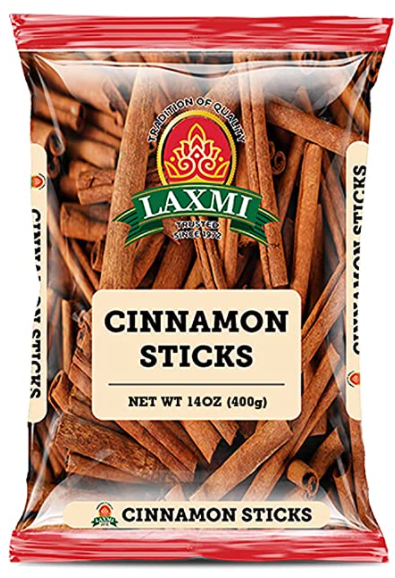
Cinnamon is one of the spices that has been around for years. It’s medicinal properties were known to ancient civilizations. It is inner bark of the evergreen Cinnamomum tree. It is high in cinnamaldehyde, which is thought to be responsible for most of cinnamon’s health benefits. Cinnamon is a powerful antioxidant as it contains plant compounds called polyphenols , and has anti-inflammatory properties. It has shown to reduce blood pressure and has shown beneficial effects when consumed by people with Type 2 Diabetes. Compounds found in Cinnamon inhibit the buildup of a protein called tau in the brain, which is one of the hallmarks of Alzheimer’s disease. Cinnamon also serves as a prebiotic to improve gut health. It seems to help us battle Cancer, AIDs, IBS and Neurodegenerative diseases. The list goes on…
There are 2 varieties of this spice – Ceylon Cinnamon and Cassia Cinnamon. The second one is the most common one in the United States. The Cassia variety contains significant amounts of a compound called coumarin, which is believed to be harmful in large doses. A large dose (greater than 3g) should not be consumed on a daily basis as it may impact blood clotting. This should be included as part of our daily diet only after consulting your healthcare provider.
Based on all this preliminary research, the potential of cinnamon seems enormous. But experts caution that it’s still too early in the scientific process to suggest cinnamon as a daily supplement.
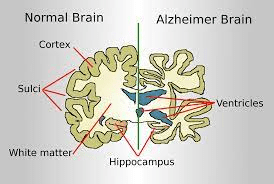
November is regarded as national Alzheimer’s Disease month to spread awareness on its effects and overall impact. Alzheimer’s is a brain disorder that breaks down memory skills and is the leading cause of dementia. This disease is regarded as one of the leading causes of death in the U.S. and can result in individuals having to rely on others to function. Examples of dementia that affect those with Alzheimer’s include Lewy Body dementia, vascular dementia, mixed dementia, and more. Abnormal buildup of proteins is created with this disease forming plaques preventing function of healthy neurons. Neuron death affects the overall brain tissue as it spreads more and more. Cognitive impairment is another effect causing memory problems interfering with everyday life actions and decisions, problems involving movement difficulties and smell are correlated with the impairment. The three different stages of Alzheimer’s which are Mild, Moderate, and Severe all have greater side effects and show the importance of proper treatment.
Factors such as genetics, vascular conditions, diabetes, and more are reasons for Alzheimer development. The Alzheimer’s foundation of America wanted to bring awareness during this month for the sake of the 6.2 million Americans living with the disease and to help those to help with the fight. Through strategies such as spreading word through social media, joining walks, donating, and creating fundraisers are some ways that the organization is trying to help and for others to join along in the movement.
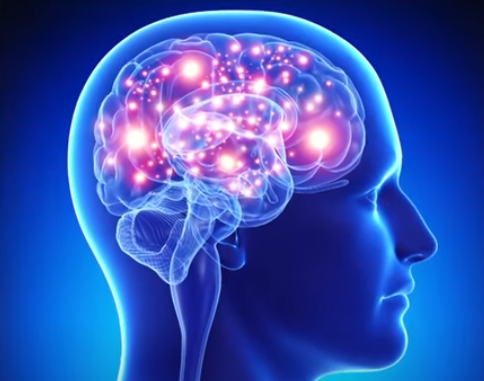
Neuroscience is the scientific study of the nervous system. It combines multiple fields of study such as such as mathematics, linguistics, engineering, computer science, chemistry, philosophy, psychology, and medicine, and helps us understand the correlation between brain and body and how diseases affect them. Neuroscientist helps us get a better understanding of conditions like Autism, Down Syndrome Parkinson’s disease, Schizophrenia, Stroke, etc. They find a way to prevent or treat and also techniques for rehabilitation. There are different branches of Neuroscience, each one studying an effect of a thought, action, role of protein and genes, catalyst, developmental factors and growth, parts of brain responsible for certain functions covering anatomical, chemical and electrical aspects of it.
The rise of Artificial Intelligence and Neuroscience seems to mutually assist each other. Neuroscience helped to, emulate human intelligence, and to build neural networks that mimic brain structure. Machine Learning has the capability of recognizing pattern in complex data. It is assisting Scientist to learn the how the billions of neurons work together.
We can maintain good brain health by eating right (diet inclusive of Omega-3 fatty acids), exercise, being social, sleeping well and avoiding habit forming unhealthy activities like smoking, alcohol consumption. Repetition strengthens the neuron pathways and helps form habits. Practice activities like listening to music, quality time with family, catch some sunlight, exercise, meditate and laugh loud to generate Happy Hormones in your body.
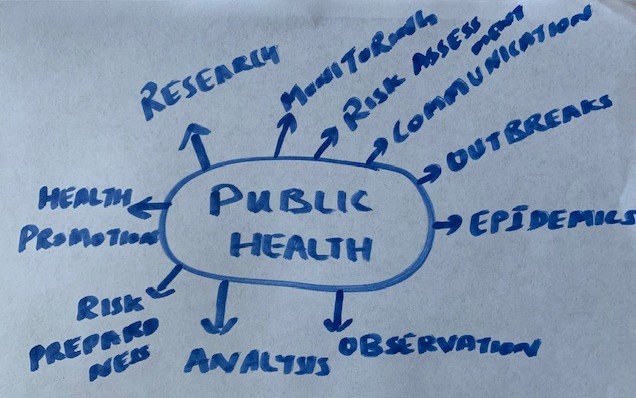
Center for Disease Control (CDC) defines Epidemiology is the method used to find the causes of health outcomes and diseases in populations and the application of this study to the control of health problems. Epidemiologist does research to develop better lifestyle programs like 5 servings of fruit and vegetable per day, smoking warning labels, pollution controlment etc. They perform observations to determine the effect of substances and behavioral changes in large population. They use statistics to conclude if the findings are True or due to Chance.
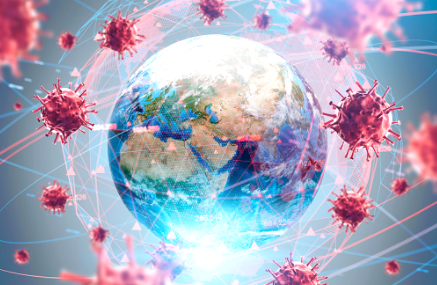
When it comes to Pandemic, Transmission, Incubation, Spread and herd immunity are all part of their day to day vocabulary. Their research include understanding the problem, how to control the spread, identify vulnerable community, diagnostic tests, develop vaccination and distribution channels. We have come a long way from Spanish flu, smallpox, polio, SARS , Swine flu and now battling Covid-19. The US government has announced that it will establish a National Center for Epidemic Forecasting and Outbreak Analytics.
This time the field of Epidemiology itself is evolving. Scientists from other disciplines such as physics, mathematics, computer science and network science, who have been contributing their ideas and expertise to tackle the global pandemic. Epidemiologists studied the amino acid changes in the spike protein of SARS-CoV-2, the variants and the mutations undergone by the virus. They recommended general measures based on their studies to prevent the spread like hand washing, avoid touching face, disinfecting surfaces touched frequently, social distancing, lockdowns, masks and different types of masks, quarantine, case tracking, diagnostic tests etc.
Epidemiology is an important science that helps improve life of thousands of people by carefully observing the community and determining the cause and effect relationship without bias and identifying the possible confounders. Government should invest in this science to decrease the healthcare bills and increase the productivity of thousands and in some cases, millions of its citizen.
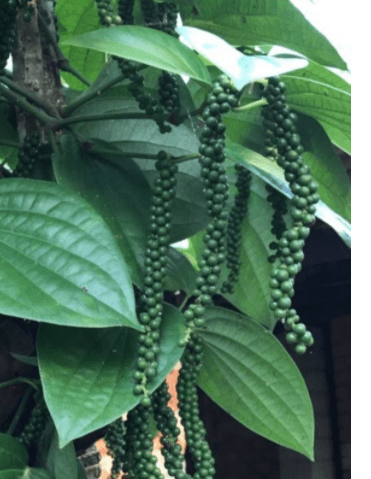
Black pepper – Piper nigrum – is one of the most widely used spice across different cuisines. As per history it was one of the spices widely used for trade between India and the rest of the world. It is named the ‘King of Spices’ and it has a very important place in ancient Ayurvedic and Chinese medical system. Black pepper is rich in plant compound called Pepperin, which is an antioxidant and has anti-inflammatory properties. It also helps improve mental health, blood sugar control and lower cholesterol levels.
Metabolism of substances such drugs, hormones involves a process in liver called glucuronidation which makes these more water soluble and helps in the eventual elimination from the body. Glucuronidation sometimes prevents the intake of certain supplements and renders them useless. However, this process is inhibited by Pepperin. It is because of this property that Curcumin should be consumed with black Pepper to improve its bioavailability. Pairing of pepperin should be consulted with Physician to determine possible risks and side effects of the absorption of supplement. Consuming black pepper in excess can cause indigestion and heartburn.
Pepper vine
Extensive studies need to be conducted on humans to determine the multiple benefits of consuming black pepper.
Diabetes is a chronic health condition that impacts how the body creates energy from food. Insulin facilitates a passageway for blood sugar to enter into cells for energy. With diabetes, not enough Insulin is produced by Pancreas (Type 1) or Insulin is not effectively absorbed (Type 2) and blood sugar stays in the bloodstream. Serious health problems also result from this to internal organs including the heart, vision and kidney.
Risk factors for Type 1 includes Family history, Age, Genetics. However Type 2 diabetes could onset if you are prediabetic, overweight, inactive lifestyle etc.
As per WHO, Diabetes is the 9th leading cause of death around the world. Structured lifestyle intervention including nutrition management and active lifestyle can reduce the risk by half. Insulin therapy is a keyway of managing diabetes. There are medications that slowdown the process of breakdown of carbohydrates, block certain enzymes, etc.
To increase awareness, the International Diabetes Federation has declared World Diabetes Day as Nov 14, 2021. This year marks the 100th Anniversary of discovery of Insulin. There are many advancement in wearable technology to monitor and manage Diabetes. WHO has added diabetic medication to the Essential Medicines list. The cost of Insulin is very high and is not readily accessible to low and mid income groups in developing countries.
The onset of diabetes in youth are also on the rise. We should follow a balanced diet rich in complex carbohydrates or whole grains, lean meat, Non Starchy vegetables and fiber-rich-fruits and sweet in moderation, along with active lifestyle, stress management should help to sent Diabetes into remission.
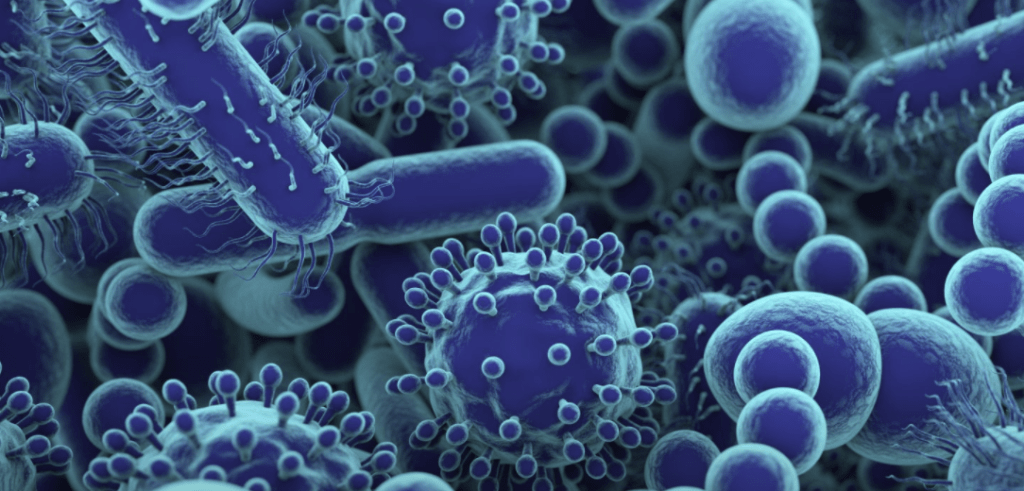
Our body is host to trillions of micro-organisms both inside and outside. This includes bacteria as the biggest players, viruses, fungi, and other microbes. They all make the human microbiota collectively called microbiome. Most are in symbiotic relation with our body but some are pathogenic. One third of our gut microbiota is common with rest of the people but two-third are specific to us. There are influenced by our genetics, mode of birth, diet, age and environment. Probiotics, antibiotics, and prebiotics may change the number and diversity temporarily, but in the absence of these three modifying factors, your gut microbiome fingerprint will simply revert to what it was before it.
The microbiota influences our immune system, breaks down toxic compounds, helps absorb vitamins and amino acids. The role of microbiome is yet to be studied to the full extent. Over recent years the gut microbiome imbalance has been chronic diseases and conditions, from diabetes to autism and anxiety to obesity. Fermented food, Whole grains, Fiber, avoiding sugar and processed foods, reduce intake of antibiotics, enough sleep and exercise helps maintain good gut health. Apart from this maintaining good oral and skin health is also critical.
In future, we should develop technology to get a snapshot of the microbiome of every person and to predict the possibility of chronic diseases, response to drugs, transplant options to improve the microbiome. Scientists are performing research to harness the health-promoting compounds produced by the microbes.
Share in comments a food in your cuisine that promotes good gut health .
As per World Health Organization, Up to 5 million deaths a year could be averted if the global population was more active. Exercise can improve our energy levels and our mood. Researchers suggests “A potent way that we can improve quality of life and duration of life is exercise”. People with low levels of physical activity are at higher risk for many kinds of cancer, heart disease, Alzheimer’s disease and early death by any cause. Inactivity can worsen arthritis symptoms, increase lower-back pain and lead to depression and anxiety.
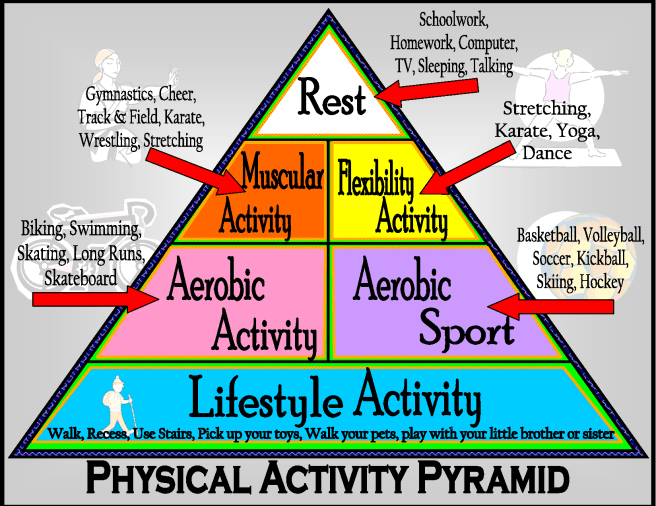
Exercise helps in weight control, improves mood and well-being, reduce risk of chronic diseases, improves sleep. Scientists have found that exercise improve the flow of blood to the brain, increases BDNF resulting in improved cognitive improvement and decreasing anxiety. The benefits are manifold.
Schools should enforce PE for students from elementary schools at least three days a week for the school year. Exercise could be a combination of cardio, strength training and flexibility training. Right now majority of kids have what we can call “exercise-deficit disorder”. This should be made part of the daily life style to make improvements in cognitive, social, and emotional domains.
WHO has started Global action plan on physical activity 2018–2030: more active people for a healthier world, which provides guideline on physical activity and sedentary behavior. The U.S. National Institutes of Health (NIH) is on the bandwagon too. They have launched MoTrPAC (The Molecular Transducers of Physical Activity Consortium)a massive new study with the aim of documenting in unprecedented detail exactly what happens inside a body in motion. Its hope: to prove that exercise is medicine.
Let us pledge to make exercise in one form or another a part of our day.







 Journey into the World of Life Science