Our body is host to trillions of micro-organisms both inside and outside. This includes bacteria as the biggest players, viruses, fungi, and other microbes. They all make the human microbiota collectively called microbiome. Most are in symbiotic relation with our body but some are pathogenic. One third of our gut microbiota is common with rest of the people but two-third are specific to us. There are influenced by our genetics, mode of birth, diet, age and environment. Probiotics, antibiotics, and prebiotics may change the number and diversity temporarily, but in the absence of these three modifying factors, your gut microbiome fingerprint will simply revert to what it was before it.
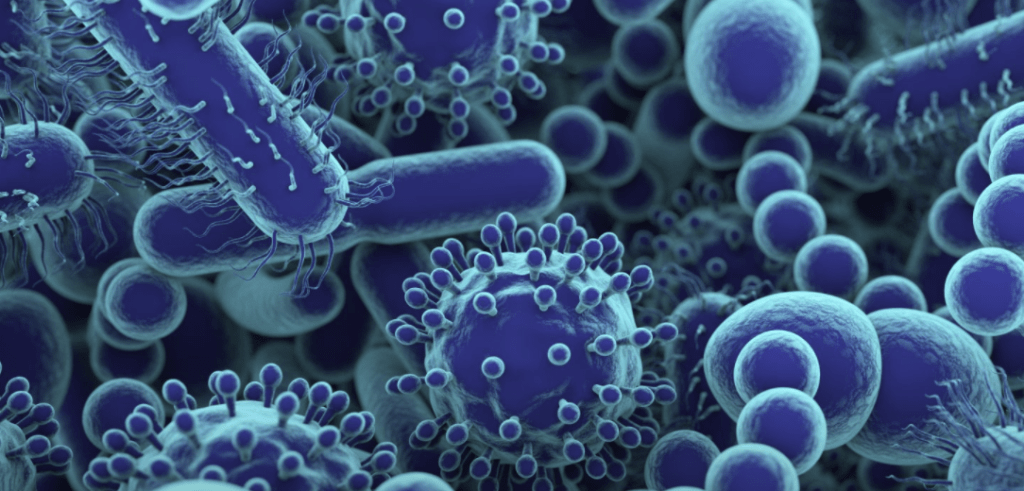
The microbiota influences our immune system, breaks down toxic compounds, helps absorb vitamins and amino acids. The role of microbiome is yet to be studied to the full extent. Over recent years the gut microbiome imbalance has been chronic diseases and conditions, from diabetes to autism and anxiety to obesity. Fermented food, Whole grains, Fiber, avoiding sugar and processed foods, reduce intake of antibiotics, enough sleep and exercise helps maintain good gut health. Apart from this maintaining good oral and skin health is also critical.
In future, we should develop technology to get a snapshot of the microbiome of every person and to predict the possibility of chronic diseases, response to drugs, transplant options to improve the microbiome. Scientists are performing research to harness the health-promoting compounds produced by the microbes.
Share in comments a food in your cuisine that promotes good gut health .
My References

 Journey into the World of Life Science