Super Spi(c)es – Clove

Clove tree

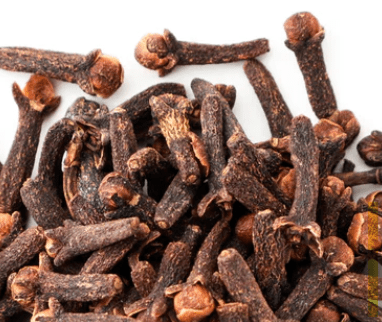
Cloves are the aromatic flower buds of a evergreen tree in the family Myrtaceae, Syzygium aromaticum. They are native to Indonesia. The name cloves come from Latin “clavus,” meaning Nail , as cloves often look like small nails. They are used as whole or powdered form as spice in cooking and in products like toothpaste, cosmetics etc. They have many heath benefits and have been used in ancient Indian and Chinese medicine.
Clove oil has been used widely to maintain good oral health. They can have a good effect on plaque and gingivitis and help reduce inflammations.  Study conducted on mice suggests that clove extract and nigericin can help to reduce insulin resistance. Cloves and nigericin were found to increase the uptake of sugar from the blood into cells, increase the secretion of insulin, and improve the function of cells that produce insulin. Other studies also suggest that mice fed with clove powder showed lower blood glucose level that the group without it.

Clove also has cancer fighting properties. Eugenol is the main bioactive component found in clove. It is a good source of Manganese.

Side effects of clove oils are – may cause skin, eye, and respiratory irritation, or an allergic reaction on the skin. It is also flammable and could be fatal if it is swallowed and goes into the airway.

My References :

https://www.medicalnewstoday.com/articles/320768
Super Spi(c)es – Cumin

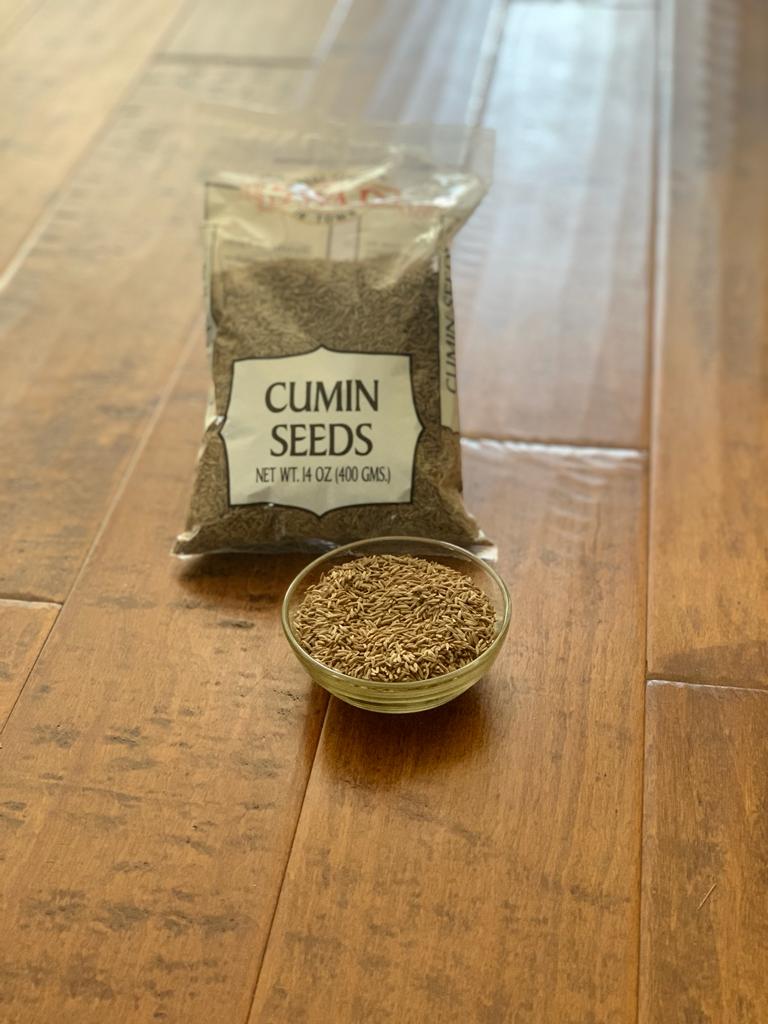
Cumin is a spice used in savory dishes throughout the world. The spice is made up of seeds from the Cuminum cyminum plant. Common places where this cumin is grown include the Middle East, India, Mediterranean, and China. In India this spice has been used for generations, in order to treat headaches, indigestion, eye disease, and leprosy. In the future, cumin could be utilized traditionally in fields such as cancer prevention, diabetes management, and cholesterol control.

Cumin increases the activity of digestive enzymes speeding up the process of digestion. Cumin is a rich source of iron as well which supports growth in young children. Proper amount of doses can also contribute to weight loss and improved cholesterol in an individual’s blood.  Using small amounts of cumin to season food can go a long way for providing antioxidants and iron for blood sugar control. Cumin water is said to promote insulin production and keep the diabetes in check.

Studies also suggest that cumin might slow blood clotting, so please consult your care giver before trying any supplements.  Cumin is an easy addition to side dishes, grains, and entrees to improve flavor and to provide necessary health benefits.

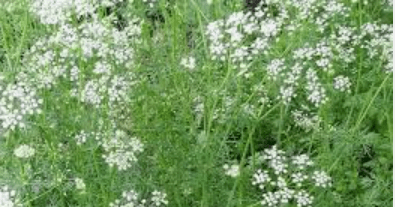
Cumin Plant

My References:

https://www.ndtv.com/food/diabetes-cumin-seeds-a-natural-remedy-to-manage-blood-sugar-levels-1956019

Super Spi(c)es – Black Seed and Carom Seed

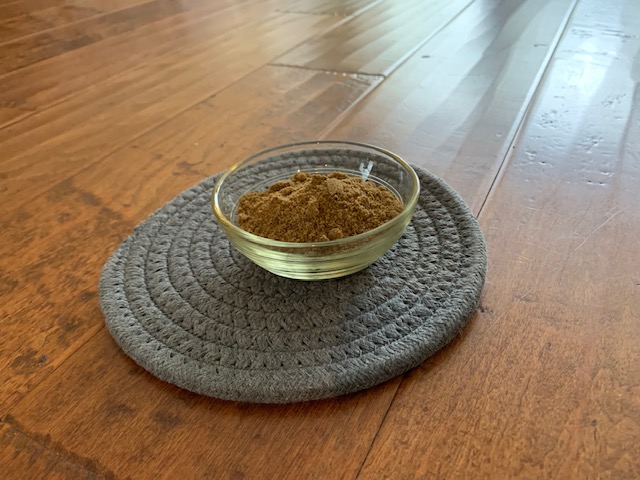
Combined powder

The number of individuals who suffer from health conditions late in life is drastically increasing daily and without proper health precautions this can lead to conditions such as high blood pressure, trouble breathing, and narrowing of vessels. With various members of my family having to fight diabetes, I know the importance of receiving proper treatment and maintaining a balanced lifestyle to reduce the impact of diabetes leading to other organ damages. My grandparents take a mixture of Black Seed and  Ajwain (Carom Seeds) as a supplement every day. These spices claim anti-inflammatory, antioxidant and anti-fungal health benefits although there is no proper scientific evidence to support it. They have been part of traditional medicine system.

Black Seed

Nigella sativa or Black seed is one shrub that can provides a great amount of nutritional benefit . The antioxidant properties of this contributes to its antifungal property and the ability to relieve inflammation for the skin. High blood pressure and cholesterol (commonly effects of diabetes) can be combated through taking this spice. It is consumed with oil to improve bioavailability.

Photo Credit – Indian Express

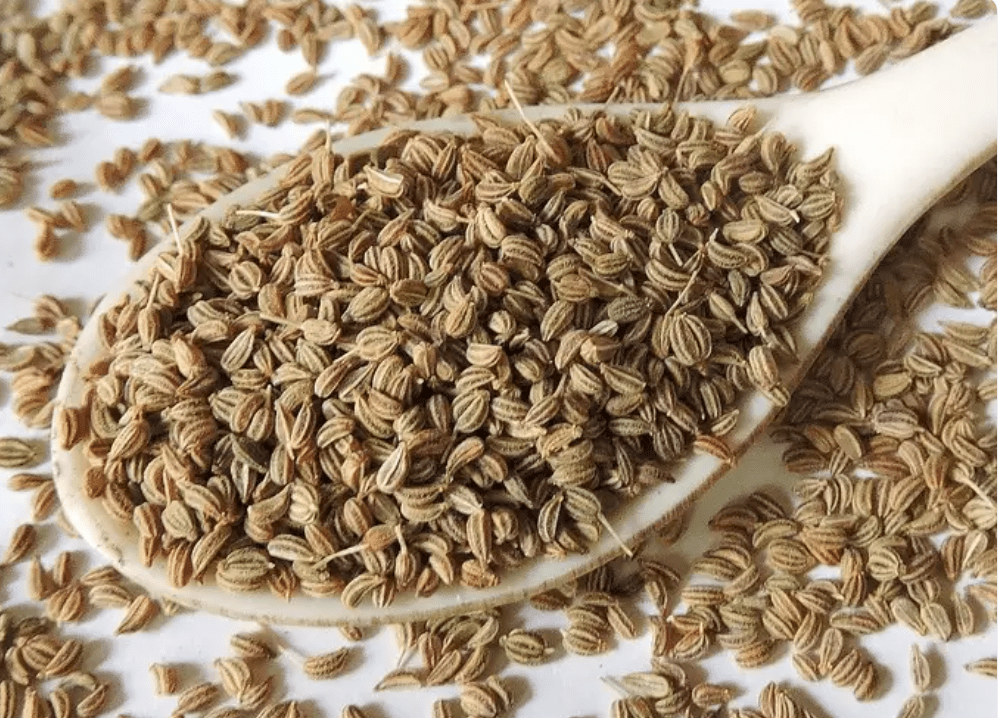
Another plant with similar properties is Ajwain belonging to the Apiaceae family. Oils such as thymol which is found in this plant keep calcium out to lower blood pressure and can prevent infections growing. It is commonly used to solve digestive issues. Utilizing plant-based products can contribute towards improving nutritional well-being so that long-term issues will not arise. They have been made a part of ancient Indian diet system so that the consumption is moderate, and health is maintained.

Note that supplements should be consumed after consulting your healthcare provider for possible side effects and recommeded dosage.

My References :

https://www.healthline.com/health/food-nutrition/black-seed-oil-benefits

https://www.webmd.com/diet/health-benefits-ajwain

https://www.healthline.com/nutrition/carom-seeds#The-bottom-line

Super Spi(c)es – Cinnamon

Cinnamon Latte

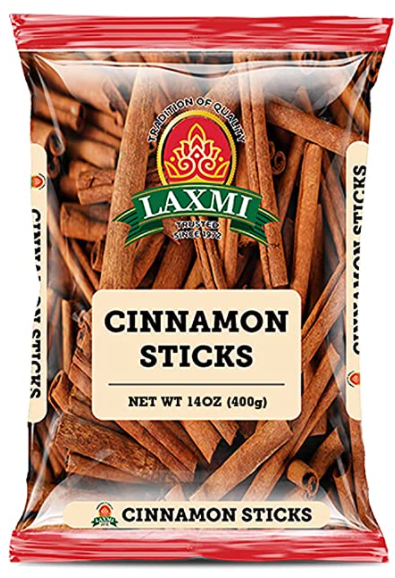
Cinnamon is one of the spices that has been around for years. It’s medicinal properties were known to ancient civilizations. It is inner bark of the evergreen Cinnamomum tree. It is high in cinnamaldehyde, which is thought to be responsible for most of cinnamon’s health benefits. Cinnamon is a powerful antioxidant as it contains plant compounds called polyphenols , and has anti-inflammatory properties. It has shown to reduce blood pressure and has shown beneficial effects when consumed by people with Type 2 Diabetes. Compounds found in Cinnamon inhibit the buildup of a protein called tau in the brain, which is one of the hallmarks of Alzheimer’s disease. Cinnamon also serves as a  prebiotic to improve gut health. It seems to help us battle Cancer, AIDs, IBS and Neurodegenerative diseases. The list goes on…

There are 2 varieties of this spice – Ceylon Cinnamon and Cassia Cinnamon. The second one is the most common one in the United States. The Cassia variety contains significant amounts of a compound called coumarin, which is believed to be harmful in large doses. A large dose (greater than 3g) should not be consumed on a daily basis as it may impact blood clotting. This should be included as part of our daily diet only after consulting your healthcare provider.

Based on all this preliminary research, the potential of cinnamon seems enormous. But experts caution that it’s still too early in the scientific process to suggest cinnamon as a daily supplement.

My References:

https://www.nccih.nih.gov/health/cinnamon

https://www.healthline.com/nutrition/10-proven-benefits-of-cinnamon#TOC_TITLE_HDR_13

https://www.bbcgoodfood.com/howto/guide/health-benefits-cinnamon

Cinnamon Tree

Super Spi(c)es – Black Pepper

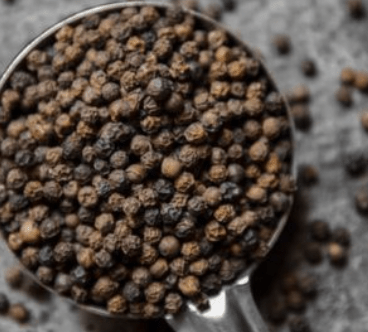
Black pepper – Piper nigrum – is one of the most widely used spice across different cuisines. As per history it was one of the spices widely used for trade between India and the rest of the world. It is named the ‘King of Spices’ and it has a very important place in ancient Ayurvedic and Chinese medical system. Black pepper is rich in plant compound called Pepperin, which is an antioxidant and has anti-inflammatory properties. It also helps improve mental health, blood sugar control and lower cholesterol levels.

Metabolism of substances such drugs, hormones involves a process in liver called glucuronidation which makes these more water soluble and helps in the eventual elimination from the body. Glucuronidation sometimes prevents the intake of certain supplements and renders them useless. However, this process is inhibited by Pepperin. It is because of this property that Curcumin should be consumed with black Pepper to improve its bioavailability. Pairing of pepperin should be consulted with Physician to determine possible risks and side effects of the absorption of supplement. Consuming black pepper in excess can cause indigestion and heartburn.

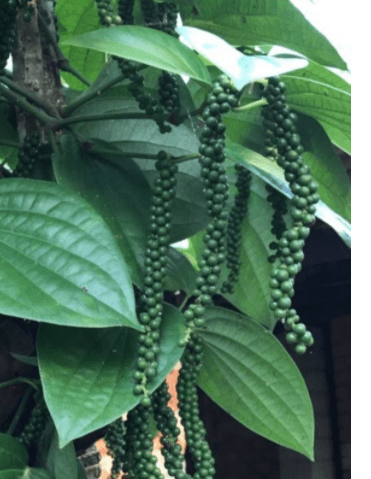
Pepper vine

Extensive studies need to be conducted on humans to determine the multiple benefits of consuming black pepper.

My References

https://www.healthline.com/nutrition/black-pepper-benefits#The-bottom-line
https://examine.com/supplements/black-pepper/
https://pubmed.ncbi.nlm.nih.gov/23768180/

Microbiome – Another ID card?

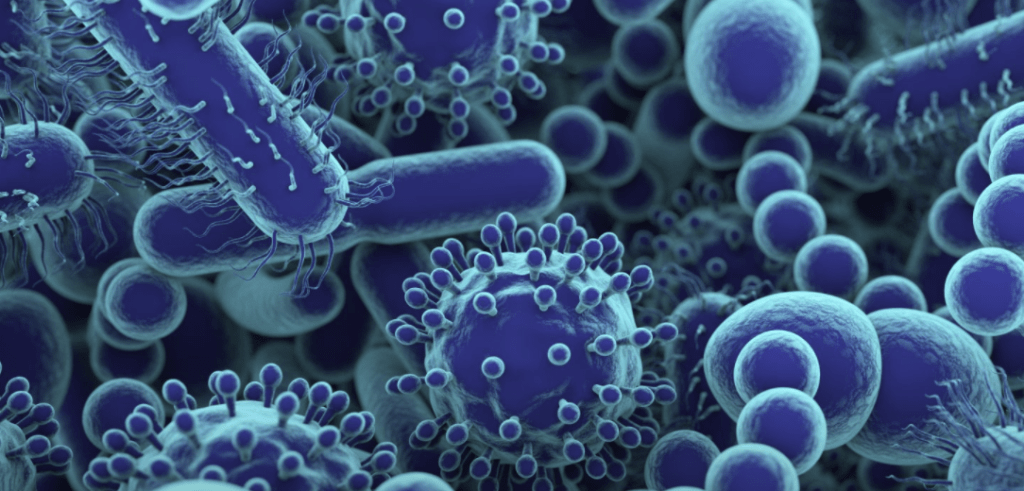
Our body is host to trillions of micro-organisms both inside and outside. This includes  bacteria as the biggest players, viruses, fungi,  and other microbes.  They all make the human microbiota collectively called microbiome. Most are in symbiotic relation with our body but some are pathogenic. One third of our gut microbiota is common with rest of the people but two-third are specific to us. There are influenced by our genetics, mode of birth, diet, age and environment. Probiotics, antibiotics, and prebiotics may change the number and diversity temporarily, but in the absence of these three modifying factors, your gut microbiome fingerprint will simply revert to what it was before it.

The microbiota influences our immune system, breaks down toxic compounds, helps absorb vitamins and amino acids. The role of microbiome is yet to be studied to the full extent. Over recent years the gut microbiome imbalance has been chronic diseases and conditions, from diabetes to autism and anxiety to obesity. Fermented food, Whole grains, Fiber, avoiding sugar and processed foods, reduce intake of antibiotics, enough sleep and exercise helps maintain good gut health. Apart from this maintaining good oral and skin health is also critical.

In future, we should develop technology to get a snapshot of the microbiome of every person and to predict the possibility of chronic diseases, response to drugs, transplant options to improve the microbiome. Scientists are performing research to harness the health-promoting compounds produced by the microbes.

Share in comments a food in your cuisine that promotes good gut health .

My References

https://worldmicrobiomeday.com/resources/

https://www.hsph.harvard.edu/nutritionsource/microbiome/