Circadian – The master clock within

Circadian rhythms are our internal clock like processes -physical, mental, and behavioral changes- that follow a 24-hour cycle. This follows the bodies response to light and darkness. These in built process effects all life forms. Chronobiology is the study of circadian rhythms. The term circadian comes from the Latin phrase “circa diem,” which means “around a day.”. Our Sleep-Wake cycle, opening of flowers, returning of birds to nest, etc are examples of the rhythm at work around us. Body produces proteins to match the timing of the meal.

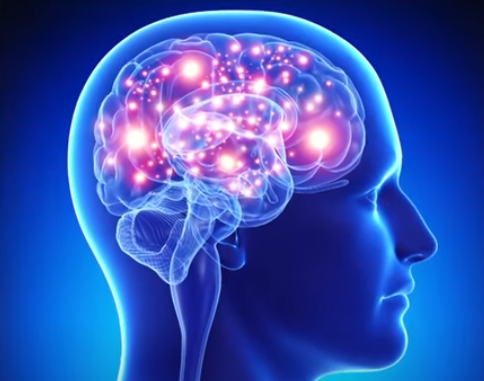
These rhythms are endogenous and controlled by the master clock in the brain that responses to the amount of light in the surrounding environment.Specifically, it is found in the suprachiasmatic nucleus (SCN), which is in a part of the brain called the hypothalamus. But when this circadian rhythm is thrown off, it can create significant sleeping problems, including insomnia. Research is also revealing that circadian rhythms play an integral role in diverse aspects of physical and mental health.

This rhythm is entrainable meaning they can be reset. When we travel across time zones, the human biological clock adjusts to the local time.Melatonin and Cortisol are regulated as part of the Circadian Rhythm.
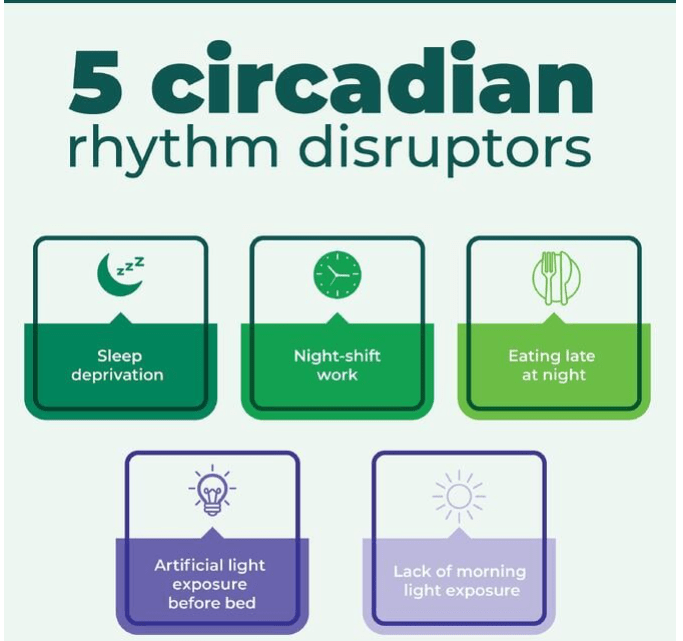
Photo Credit – Inside tracker blog

The bio markers for measuring the timing of a mammal’s circadian rhythm are:

  • melatonin secretion by the pineal gland
  • core body temperature is low during night and higher during the day
  • plasma level of cortisol


Age and level of activities play a role in the circadian rhythm. Following the rhythm will help us maintain a good life.

My References:

https://www.sleepfoundation.org/circadian-rhythm
https://www.healthline.com/health/healthy-sleep/circadian-rhythm
https://www.youtube.com/watch?v=M-Tdvu3N8dA

Photo Credit – Wikipedia
The Flu or a Cold ?

Photo Credit – NFID

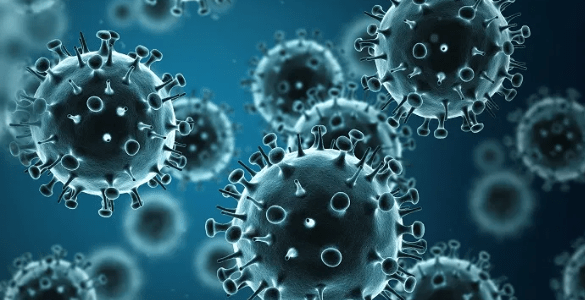
Influenza (Flu) is a contagious viral infection that effects our respiratory system. It usually starts like a common cold – sore throat, runny nose and sneezing but could have other symptoms like muscle aches, chills, weakness, headache and cough.

The virus travels through air droplets when an infected person sneezes or coughs. We would inhale this directly or pick this up from an object where it had landed. The strains keep mutating every season. So, if you have had flu before, antibodies will be present in your body however they might not be able to prevent the new virus 100% but only shorten the severity of the infection. Same effect will be for the vaccine also.

Flu would usually last for 10 days and goes away without any lingering effects. However, for children and adult with high risk, flu could develop Pneumonia, Bronchitis, Asthma flareup and ear infection.

Flu can be treated at home by taking antivirals to reduce the time of sickness and reduce any serious issues. If there are certain symptoms like dizziness, seizure or severe muscle pain, it is advisable to see your physician.

Center for Disease Control recommends that everyone ages 6 months and up should get flu vaccines every year. The spread of infection can be managed by Washing hands frequently, covering your cough and sneeze, avoid touching face, keep the surfaces sanitized and avoid crowded places if possible.

World Health Organization recommends annual vaccination for:

Photo Credit – Nfid
  • pregnant women at any stage of pregnancy
  • children aged between 6 months to 5 years
  • elderly individuals (aged more than 65 years)
  • individuals with chronic medical conditions
  • health-care workers.

My References :

https://www.mayoclinic.org/diseases-conditions/flu/symptoms-causes/syc-20351719

https://www.cdc.gov/flu/about/keyfacts.htm

https://www.who.int/news-room/fact-sheets/detail/influenza-(seasonal)

You Be You – Mental Health

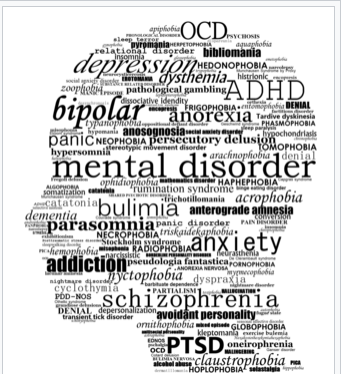
According to Mentalhealth.gov “Mental health includes our emotional, psychological, and social well-being. It affects how we think, feel, and act. It also helps determine how we handle stress, relate to others, and make choices.” There are many factors that determine our mental health such as genetics, family , social and financial  environment.  Mental disorders can appear in many forms like depression, anxiety, panic attack, phobias.

Photo Credit – Wikipedia
Around 450 million people in the world struggle with a mental health illness, and  two thirds of all these people receive no treatment. May is Mental Health awareness month. During this time, there is a movement to spread support to those who struggle with mental health issues. People are able to connect with each other through organizations such as NAMI and help to confront the issues they are dealing with. The American Hospital Association also emphasize advocating on behavioral health issues in order reduce the stigma that many have to experience. Through community partnerships, the way disorders are identified and changes in the emergency departments are accomplished through this organization. Sharing one’s experiences during this month goes a long way and can encourage others to work together and understand each other’s issues.

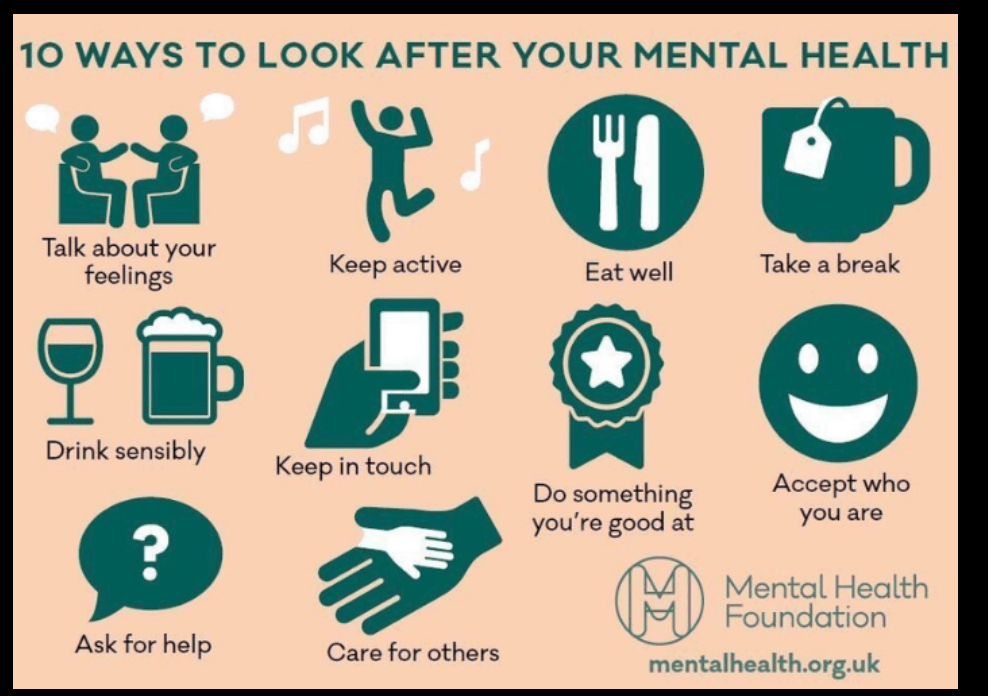
Some of the activities we can make part of our daily habits is to Keep Active, eat well , sleep and rest enough, Take breaks from your work , Ask for help , do something which you are good at.Our brain secretes the feel good hormones during each of these activities. Mental health awareness in youth is very relevant now after the covid pandemic times.

Photo Credit – Mentalhealth.org.uk

My References :

https://www.nami.org/about-mental-illness/mental-health-conditions

https://www.mentalhealth.gov/

Super Spi(c)es – Cumin

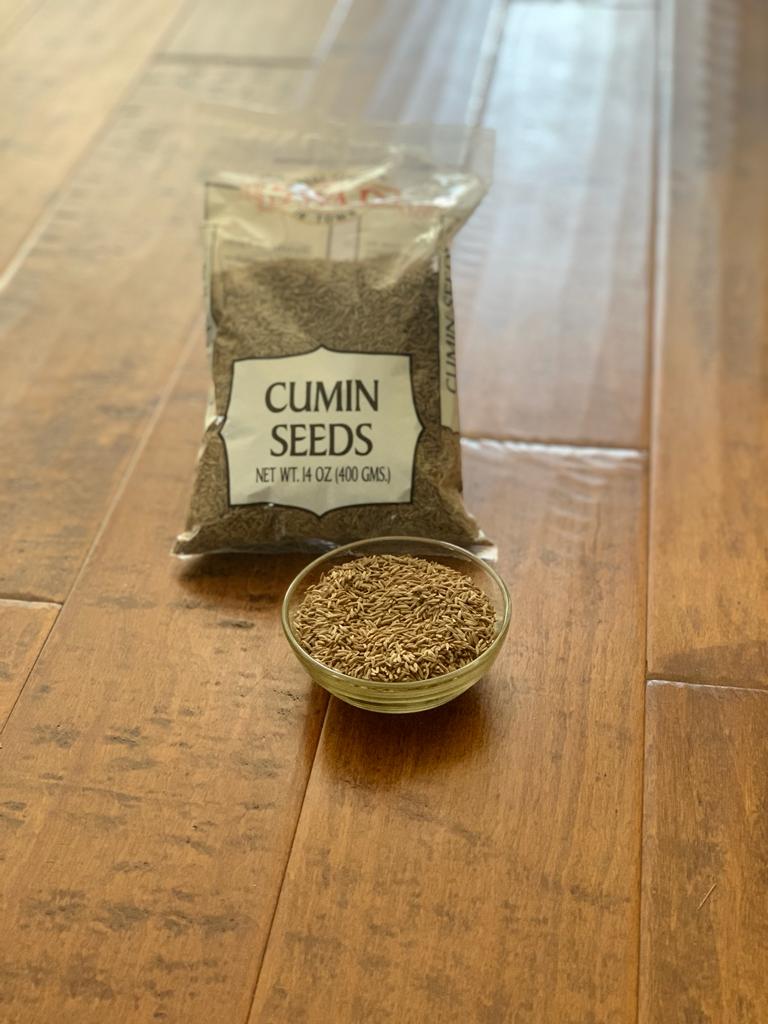
Cumin is a spice used in savory dishes throughout the world. The spice is made up of seeds from the Cuminum cyminum plant. Common places where this cumin is grown include the Middle East, India, Mediterranean, and China. In India this spice has been used for generations, in order to treat headaches, indigestion, eye disease, and leprosy. In the future, cumin could be utilized traditionally in fields such as cancer prevention, diabetes management, and cholesterol control.

Cumin increases the activity of digestive enzymes speeding up the process of digestion. Cumin is a rich source of iron as well which supports growth in young children. Proper amount of doses can also contribute to weight loss and improved cholesterol in an individual’s blood.  Using small amounts of cumin to season food can go a long way for providing antioxidants and iron for blood sugar control. Cumin water is said to promote insulin production and keep the diabetes in check.

Studies also suggest that cumin might slow blood clotting, so please consult your care giver before trying any supplements.  Cumin is an easy addition to side dishes, grains, and entrees to improve flavor and to provide necessary health benefits.

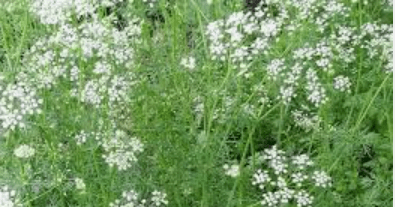
Cumin Plant

My References:

https://www.ndtv.com/food/diabetes-cumin-seeds-a-natural-remedy-to-manage-blood-sugar-levels-1956019

Genes – Our Biochemical Recipe

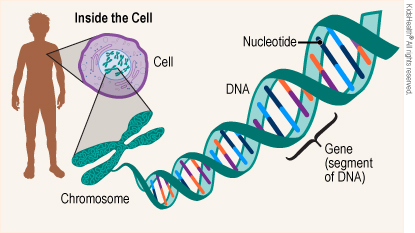
Inside the cell is the chromosome, which unravels and shows the DNA. DNA is 2 strands connected with nucleotides. A gene is segment of DNA.

Genes are the basic segments of DNA that acts as a functional unit of heredity. Humans have around 20,000 to 25,000 genes. These instructions show how an organism lives and acts in their respective environments. Structures that contain the genes in a person are called chromosomes, which contain hundreds to thousands of genes. Number of chromosomes varies from species to species, for example humans have 23 pairs of chromosomes and a dog contains 78 of these chromosomes. Biological instructions contribute to the unique natures of animals from various environments. Through offspring genes and DNA are passed through the process of meiosis.

The genes are made up of 4 nucleotides Adenine, Cytosine, Guanine, and Thymine. Combinations of these nucleotides forms the code for different characteristics such as black hair or blue eyes. Alleles are alternative forms or versions of genes that are acquired from each parent of an offspring. Internal and external factors are impacted through these specifics and contribute to genetic diversity in species of life. Mutations of genes is a change in the sequence of DNA and causes a misspelling. An example of a mutation effect is in the HBB cell, where Sickle Cell Anemia can occur and where blood flow is derived, and nerves are damaged as a result. Genetic disorders are caused when there is a missing part of a chromosome, gene shifting from one chromosome to another, extra or missing chromosome, etc.

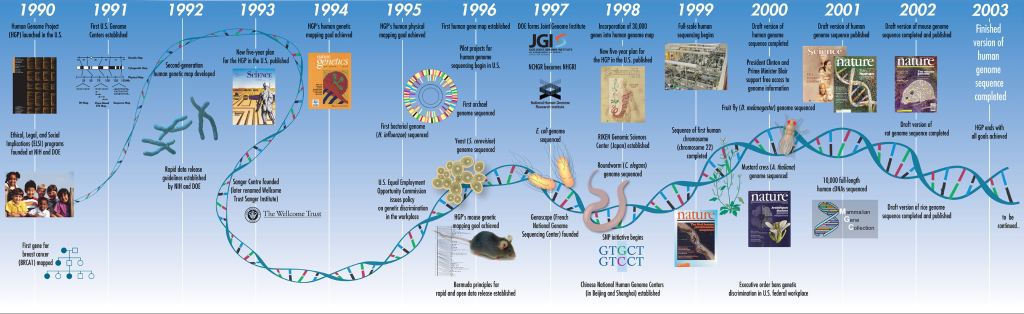
An international research project called The Human Genome Project was undertaken to map all the genes of humans. The project has benefited to help us detect early onset of diseases using genetic profile, helps to customize medication to fit the treatment, develop better yielding and disease resistant plants using their DNA sequencing, etc. The complete DNA sequencing of more and more organisms, including humans, will revolutionize biology and medicine.  This study may answer age old questions  such as how organisms evolved, whether synthetic life will ever be possible, and how to treat a wide range of medical disorders.

Photo Credit : Memorial University, Canada

My References

https://www.mun.ca/biology/scarr/Human_Genome_Project_timeline.html

https://www.genome.gov/human-genome-project

https://kidshealth.org/en/parents/about-genetics.html

Comfortable in your own SKIN.

Photo Credit cigna.com

The largest organ in the human body, the skin, is a protective barrier of the integumentary system that covers around 22 square feet of area. Skin is only a few millimeters thick but is around one-seventh of our overall body weight. The three layers that make up the overall structure of the skin are the epidermis, the dermis, and the hypodermis. The epidermis protects the skin and creates new skin cells to replace the dead ones on the surface. The dermis is the thickest layer of the skin and is responsible for touch, fighting infection, and the production of sweat. Collagen is a protein that makes skin cells strong and the protein elastin, keeps skin flexible. The hypodermis part of the skin is made up of fatty tissue to provide insulation and to store energy. Regulation of body temperature is possible through this layer and dehydration is prevented as well. Skin protects the body from microbes and is responsible for the sensations of heat and cold.

Acne, Eczema, Psoriasis, Rosacea, Skin Cancer are some of the commonly known diseases. Skin diseases could be caused by bacteria caught in pores, allergen’s, medications, diabetes, UV radiation, Genetics, or due to diseases effecting other internal organs. Skin might appear discolored, patchy, peeling with open lesions, pus filled bumps, scaly or rough when having certain disease. A biopsy or patch test is usually performed to diagnose the underlying cause. Sometime it is treated using antibiotics, antihistamine, steroids, ointments or creams.

You can maintain skin health by drinking plenty of water and plant-based diet. Beauty sleep is also important. Sun protection must be used as necessary. Contact with harsh chemicals should be avoided. Skin conditions arising due to genetics cannot be avoided.

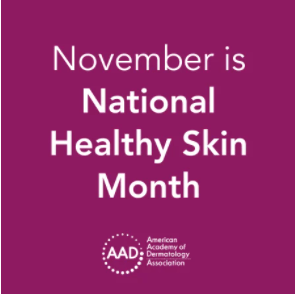
May is Skin Cancer Awareness month in USA and November is the national Healthy Skin Month. About 20% of the US population will develop Skin Cancer. It is due to the photosensitivity of the skin

My References :

https://www.aad.org/public/public-health/awareness-campaigns/national-healthy-skin-month

https://my.clevelandclinic.org/health/diseases/21573-skin-diseases

Neuroscience : the brain focused science

Neuroscience is the scientific study of the nervous system. It combines multiple fields of study such as such as mathematics, linguistics, engineering, computer science, chemistry, philosophy, psychology, and medicine, and helps us understand the correlation between brain and body and how diseases affect them. Neuroscientist helps us get a better understanding of conditions like Autism, Down Syndrome Parkinson’s disease, Schizophrenia, Stroke, etc. They find a way to prevent or treat and also techniques for rehabilitation. There are different branches of Neuroscience, each one studying an effect of a thought, action, role of protein and genes, catalyst, developmental factors and growth, parts of brain responsible for certain functions covering anatomical, chemical and electrical aspects of it.

The rise of Artificial Intelligence and Neuroscience seems to mutually assist each other. Neuroscience helped to, emulate human intelligence, and to build neural networks that mimic brain structure. Machine Learning has the capability of recognizing pattern in complex data. It is assisting Scientist to learn the how the billions of neurons work together.

We can maintain good brain health by eating right (diet inclusive of Omega-3 fatty acids), exercise, being social, sleeping well  and avoiding habit forming unhealthy activities like smoking, alcohol consumption. Repetition strengthens the neuron pathways and helps form habits. Practice activities like listening to music, quality time with family, catch some sunlight, exercise, meditate and laugh loud to generate Happy Hormones in your body.   

My References

https://www.medicalnewstoday.com/articles/248680#becoming-a-neuroscientist
https://towardsdatascience.com/the-fascinating-relationship-between-ai-and-neuroscience-89189218bb05

Epidemiology – the key to Public Health

Center for Disease Control (CDC) defines Epidemiology is the method used to find the causes of health outcomes and diseases in populations and the application of this study to the control of health problems. Epidemiologist does research to develop better lifestyle programs like 5 servings of fruit and vegetable per day, smoking warning labels, pollution controlment etc. They perform observations to determine the effect of substances and behavioral changes in large population. They use statistics to conclude if the findings are True or due to Chance.

When it comes to Pandemic, Transmission, Incubation, Spread and herd immunity are all part of their day to day vocabulary. Their research include understanding the problem, how to control the spread, identify vulnerable community, diagnostic tests, develop vaccination and distribution channels. We have come a long way from Spanish flu, smallpox, polio, SARS , Swine flu and now battling Covid-19. The US government has announced that it will establish a National Center for Epidemic Forecasting and Outbreak Analytics.

This time the field of Epidemiology itself is evolving. Scientists from other disciplines such as physics, mathematics, computer science and network science, who have been contributing their ideas and expertise to tackle the global pandemic. Epidemiologists studied the amino acid changes in the spike protein of SARS-CoV-2, the variants and the mutations undergone by the virus. They recommended general measures based on their studies to prevent the spread like hand washing, avoid touching face, disinfecting surfaces touched frequently, social distancing, lockdowns, masks and different types of masks, quarantine, case tracking, diagnostic tests etc.

Epidemiology is an important science that helps improve life of thousands of people by carefully observing the community and determining the cause and effect relationship without bias and identifying the possible confounders. Government should invest in this science to decrease the healthcare bills and increase the productivity of thousands and in some cases, millions of its citizen.

My References

https://www.cdc.gov/careerpaths/k12teacherroadmap/epidemiology.html
https://www.publichealth.columbia.edu/public-health-now/news/what-epidemiology
https://www.who.int/emergencies/diseases/novel-coronavirus-2019/situation-reports

Microbiome – Another ID card?

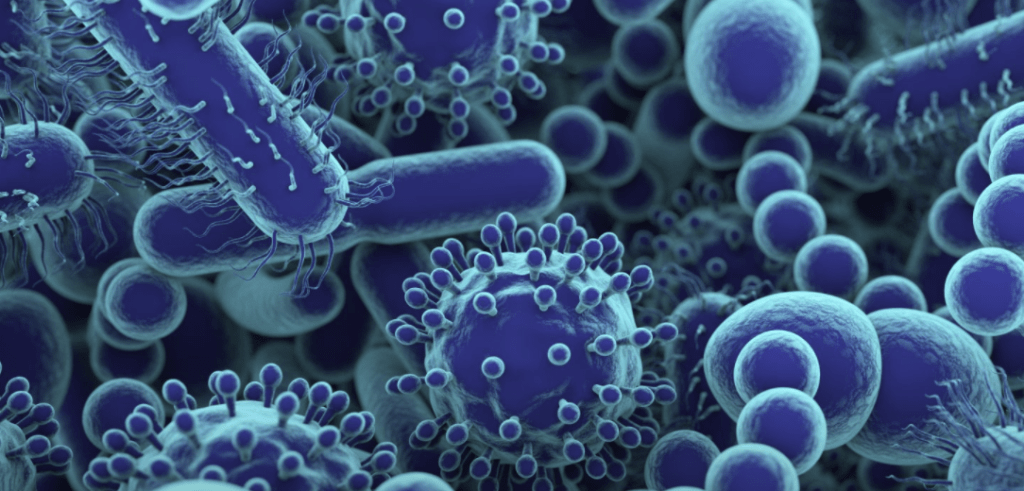
Our body is host to trillions of micro-organisms both inside and outside. This includes  bacteria as the biggest players, viruses, fungi,  and other microbes.  They all make the human microbiota collectively called microbiome. Most are in symbiotic relation with our body but some are pathogenic. One third of our gut microbiota is common with rest of the people but two-third are specific to us. There are influenced by our genetics, mode of birth, diet, age and environment. Probiotics, antibiotics, and prebiotics may change the number and diversity temporarily, but in the absence of these three modifying factors, your gut microbiome fingerprint will simply revert to what it was before it.

The microbiota influences our immune system, breaks down toxic compounds, helps absorb vitamins and amino acids. The role of microbiome is yet to be studied to the full extent. Over recent years the gut microbiome imbalance has been chronic diseases and conditions, from diabetes to autism and anxiety to obesity. Fermented food, Whole grains, Fiber, avoiding sugar and processed foods, reduce intake of antibiotics, enough sleep and exercise helps maintain good gut health. Apart from this maintaining good oral and skin health is also critical.

In future, we should develop technology to get a snapshot of the microbiome of every person and to predict the possibility of chronic diseases, response to drugs, transplant options to improve the microbiome. Scientists are performing research to harness the health-promoting compounds produced by the microbes.

Share in comments a food in your cuisine that promotes good gut health .

My References

https://worldmicrobiomeday.com/resources/

https://www.hsph.harvard.edu/nutritionsource/microbiome/