This is my attempt to make an educational video series
Super Spi(c)es – Cumin
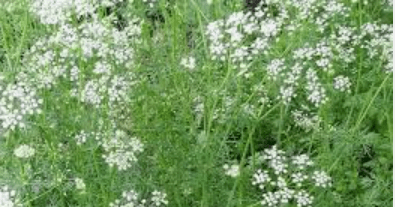
Cumin is a spice used in savory dishes throughout the world. The spice is made up of seeds from the Cuminum cyminum plant. Common places where this cumin is grown include the Middle East, India, Mediterranean, and China. In India this spice has been used for generations, in order to treat headaches, indigestion, eye disease, and leprosy. In the future, cumin could be utilized traditionally in fields such as cancer prevention, diabetes management, and cholesterol control.
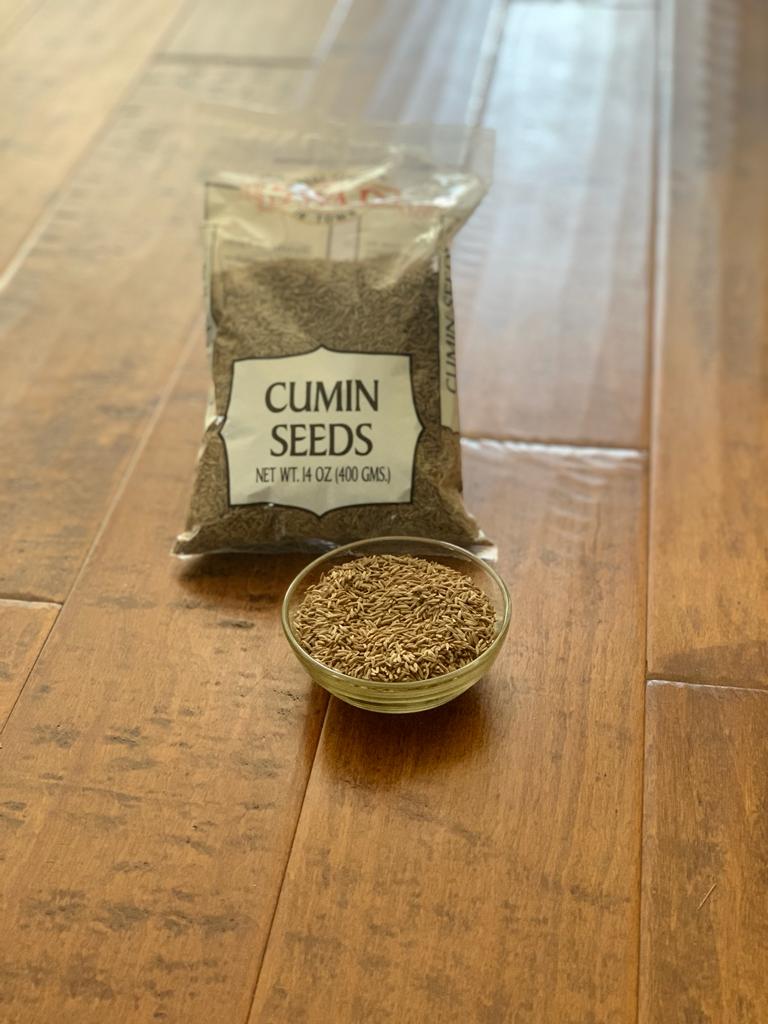
Cumin increases the activity of digestive enzymes speeding up the process of digestion. Cumin is a rich source of iron as well which supports growth in young children. Proper amount of doses can also contribute to weight loss and improved cholesterol in an individual’s blood. Using small amounts of cumin to season food can go a long way for providing antioxidants and iron for blood sugar control. Cumin water is said to promote insulin production and keep the diabetes in check.
Studies also suggest that cumin might slow blood clotting, so please consult your care giver before trying any supplements. Cumin is an easy addition to side dishes, grains, and entrees to improve flavor and to provide necessary health benefits.
My References:
https://www.ndtv.com/food/diabetes-cumin-seeds-a-natural-remedy-to-manage-blood-sugar-levels-1956019
An Overview of Bipolar Disorder
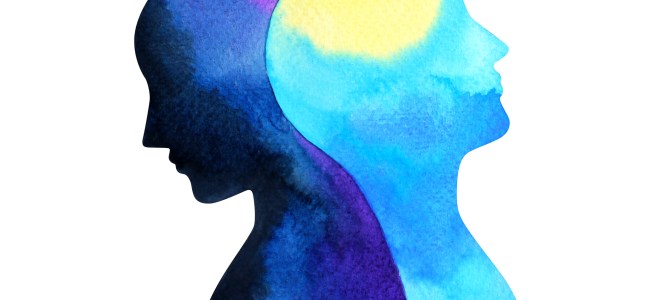
Bipolar Disorder, also known as manic-depressive illness, is a psychiatric mood disorder characterized by cycles of unusually elevated moods and severe depression. Mania, or manic episodes, cause a sense of hyper energy, insomnia, racing thoughts, and decreased focus. Individuals with the disorder make impulsive and irrational decisions without considering the consequences of their actions. On the other hand, the depressive phase of the disorder involves hopelessness, major depression, and a higher risk of self-harm and suicide. The cause of the disease is unknown, however, there are environmental and genetic factors that are thought to be involved [1]. This article will investigate the signs and symptoms, causes, and current therapies to treat bipolar illness.
There are three types of bipolar illness: Bipolar I Disorder, Bipolar II Disorder, and Cyclothymic Disorder.
Bipolar I is characterized by severe and long episodes of mania and depression. This unstable form is defined by extreme mania and oftentimes, immediate hospitalization is necessary for the safety of the patient and others around them.
Bipolar II is classified by hypomania, a milder form of mania that usually does not require immediate hospitalization. Hypomania does not present any psychotic symptoms such as hallucinations or volatile behavior. As a result, this form is much more difficult to diagnose as it does not present severe and accentuated mania that Type I depicts. [2][4].
Cyclothymic Disorder is the third type and is distinguished by its milder and more chronic symptoms. In cyclothymia, there are repetitive cycles of emotional highs and lows that persist for at least two years. Essentially, during the elevated state, one’s senses are elevated but not to a level where it can be diagnosed as a hypomanic episode. Despite its far milder symptoms as compared to Type I, cyclothymia still interferes with day-to-day activities as well as significantly increasing the chances to develop Bipolar Disorder Type [3].
Manic Symptoms
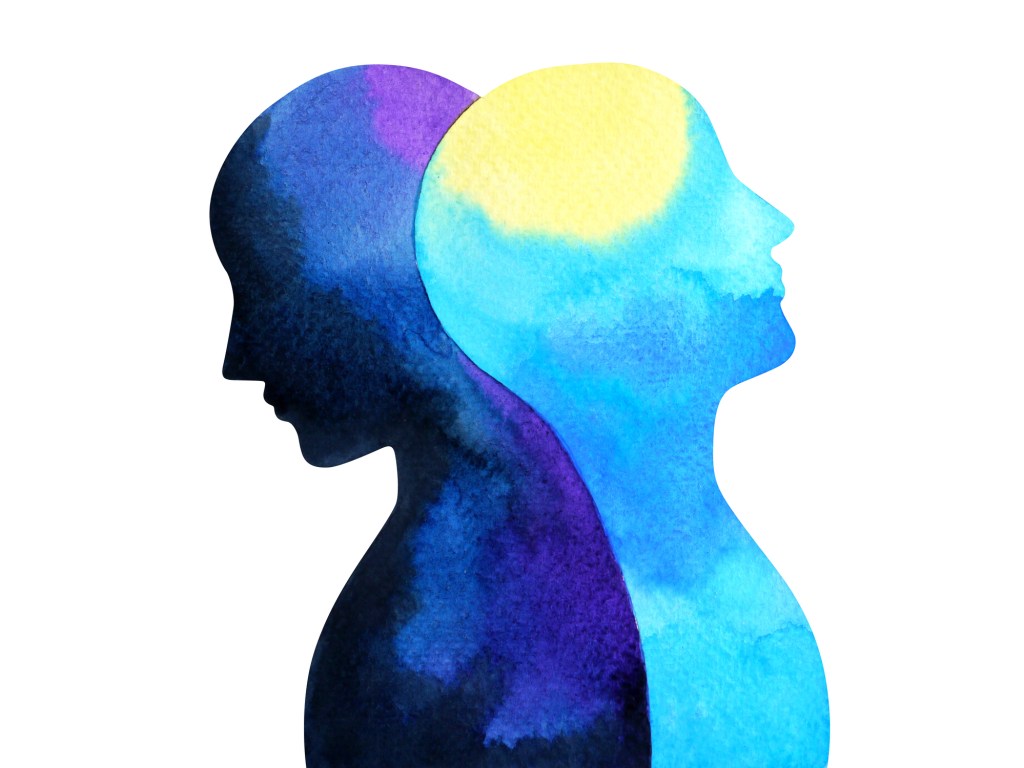
During the energetic manic or hypomanic phase, patients go into a hyper-energetic state lasting longer than one week. Generally, this phase is primarily characterized by unusually high levels of activity, inflated self-esteem (grandiosity), intense pleasure (euphoria), an inability to fall asleep (insomnia), and risky behavior. Mania can be measured through the Young Mania Rating Scale, a system of questions that gauges the severity of symptoms that a patient experiences [6]. Manic episodes can also trigger psychosis, a disconnection from reality, and require immediate psychiatric care [2][4]. Mania can also be deadly not only due to its mental toll on the afflicted, but also on their physical self. For instance, higher risk-taking can potentially involve substance abuse, unprotected sex, and more unsafe activities [1][5]. It is quite evident that mania is deadly in multiple aspects and can destroy a person physically, emotionally, and socially.
Depressive Symptoms
The other half of bipolar involves major depression, a disease that tens of millions have experienced in the past year. Key features of depression include a feeling of emptiness, hopelessness, lack of interest (apathy), insomnia, and feeling overtired (fatigue) [4]. More critically, a substantial aspect of the disorder is the vastly increased risk of suicide. According to a meta-analysis and review of bipolar-related suicide attempts, “between 25% and 60% of individuals with bipolar disorder will attempt suicide at least once in their lives and between 4% and 19% will complete suicide,”[7]. As a result, it is clear that bipolar has devastating effects on a person’s mental health. Another complication of bipolar is misdiagnosis. Since a diagnosis requires both mania and depression symptoms, a person in the depressive stage can be misdiagnosed with major depression instead of bipolar [2]. This can cause even more damage if they are incorrectly prescribed with incorrect antidepressants. Unlike the plethora of symptoms, bipolar has few plausible causes.
Genetic Causes
Although there are possible genetic or hereditary causes, researchers and scientists are yet to truly find a proper cause for bipolar disease [4]. People with depression could be at a higher risk if they have relatives with bipolar or other psychiatric illnesses such as schizophrenia [1]. In many singular studies, variants within genes have been identified as being associated with bipolar, “including BDNF, DAOA, DISC1, GRIK4, SLC6A4, and TPH2,” [8]. Despite there being numerous hereditary and genetic discoveries about those with bipolar, there is no singular gene or factor that is a direct cause of the illness.
My references:
[1] Wnuk, Alexis, et al. (2018). BrainFacts a Primer On the Brain and Nervous System. Psychiatric Disorders. Page 79-80. Retrieved: 24/06/2020.
[2] National Institute of Mental Health. (01/2020). Bipolar Disorder. National Institute of Health. https://www.nimh.nih.gov/health/topics/bipolar-disorder/index.shtml. Retrieved: 24/06/20
[3] Cagliostro, Dina. (03/03/2020). Cyclothymia. Psycom. https://www.psycom.net/depression.central.cyclothymia.html. Retrieved: 25/06/20
[4] (31/01/2018). Bipolar Disorder. Mayo Clinic. https://www.mayoclinic.org/diseases-conditions/bipolar-disorder/symptoms-causes/syc-20355955. Retrieved: 25/06/2020
[5] Cagliostro, Dina. (21/10/2019). Bipolar Disorder. Psycom. https://www.psycom.net/depression.central.bipolar.html. Retrieved: 25/06/2020
[6] Furukawa, Toshi. (06/2010). Assessment of mood: Guides for clinicians. ScienceDirect. https://doi.org/10.1016/j.jpsychores.2009.05.003. Retrieved: 26/06/2020
[7] Novick, Danielle. (24/01/2010). Suicide attempts in bipolar I and bipolar II disorder: a review and meta‐analysis of the evidence. Wiley Online Library. https://doi.org/10.1111/j.1399-5618.2009.00786.x. Retrieved: 26/06/2020
[8] Barnett, Jennifer. (24/11/2009). The genetics of bipolar disorder. Science Direct. https://doi.org/10.1016/j.neuroscience.2009.03.080. Retrieved: 27/06/20
Sustainable Earth || Single use Plastic

Plastic is versatile and is very efficient to protect the product from external contaminants and elements. It is difficult to imagine a world without plastic, but the plastic waste is creating ecological nightmare. It can take about thousands of years to breakdown in our landfills. In today’s society, we produce nearly 300 million tons of plastic waste each year, and much of this waste continues to persist in the location they are left. Reducing wastage will reduce greenhouse gas emission, slowing down climate change. Every year, hundreds of volunteers spend hours cleaning beaches, parks and other public places. Countries are trying to come up with sustainable plastic waste management.
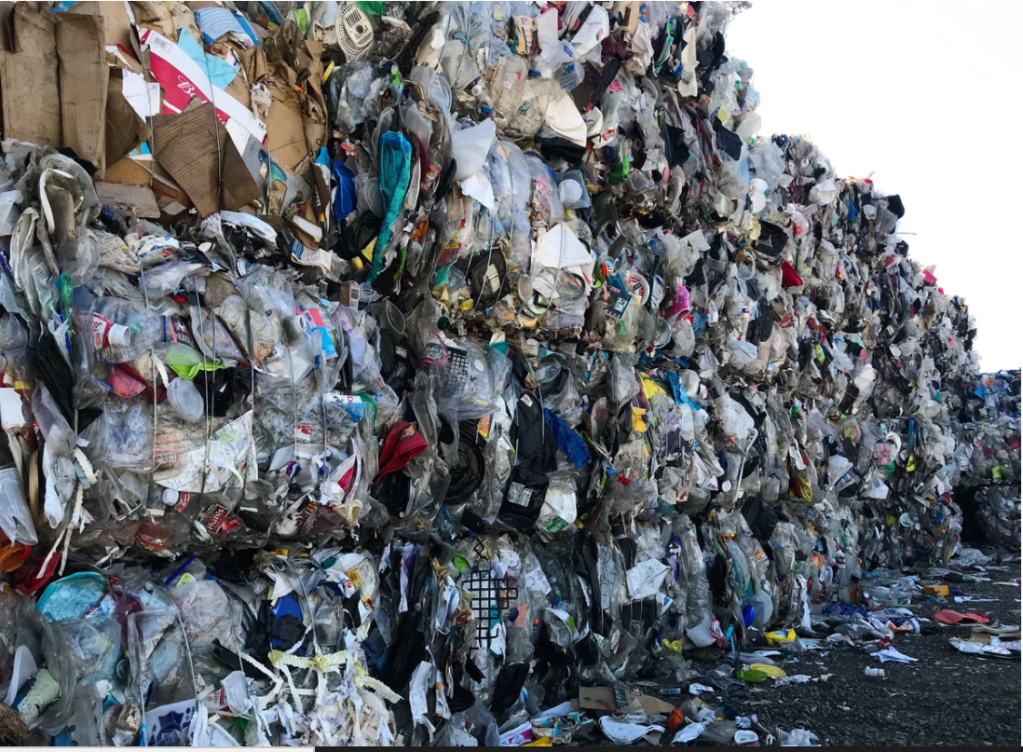
Single use plastic and packaging are a big source of waste. Nowadays foods travel from distances up to thousands of miles to stock grocery stores shelves, in this process nutrients are lost and a lot of packaging is involved to preserve them. We as a community should buy locally sourced products that has none or biodegradable qualities for packaging. In the short-term, paper, glass, and metal can be used as alternatives for plastic where feasible.
Plastic in our life is not limited to this. It is present in clothing, utensils, cellphone, PVC, safety gears, you name it and it will be part of it. Plastic pellets from many different products we use, enters in large quantities into natural environment. Governments need to fund research for successfully producing biodegradable plastic to use in all essential items. Experiments involving photodegradation should be conducted to get closer to our goal of reducing wastage of plastic into the ecosystem.We must check as to how we can reduce the use of plastic where feasible and sent less waste to landfill.
In 2022 International Plastic Bag Free Day is on July 3rd. It is Plastic Free July. Let us take pledge to reduce plastic waste.
My References
http://www.chemicalsafetyfacts.org/plastics/#:~:text=Plastics%20are%20used%20to%20make,homes%20and%20buildings%20energy%20efficient
https://www.plasticgarbageproject.org/en/plastic-life
https://www.prysmiangroup.com/en/insight/sustainability/how-to-reduce-plastic-use-in-daily-life
Genes – Our Biochemical Recipe
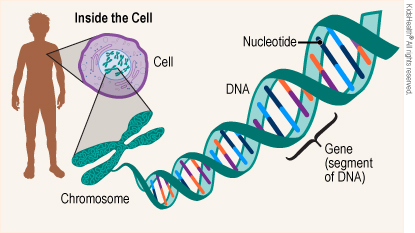
Genes are the basic segments of DNA that acts as a functional unit of heredity. Humans have around 20,000 to 25,000 genes. These instructions show how an organism lives and acts in their respective environments. Structures that contain the genes in a person are called chromosomes, which contain hundreds to thousands of genes. Number of chromosomes varies from species to species, for example humans have 23 pairs of chromosomes and a dog contains 78 of these chromosomes. Biological instructions contribute to the unique natures of animals from various environments. Through offspring genes and DNA are passed through the process of meiosis.
The genes are made up of 4 nucleotides Adenine, Cytosine, Guanine, and Thymine. Combinations of these nucleotides forms the code for different characteristics such as black hair or blue eyes. Alleles are alternative forms or versions of genes that are acquired from each parent of an offspring. Internal and external factors are impacted through these specifics and contribute to genetic diversity in species of life. Mutations of genes is a change in the sequence of DNA and causes a misspelling. An example of a mutation effect is in the HBB cell, where Sickle Cell Anemia can occur and where blood flow is derived, and nerves are damaged as a result. Genetic disorders are caused when there is a missing part of a chromosome, gene shifting from one chromosome to another, extra or missing chromosome, etc.
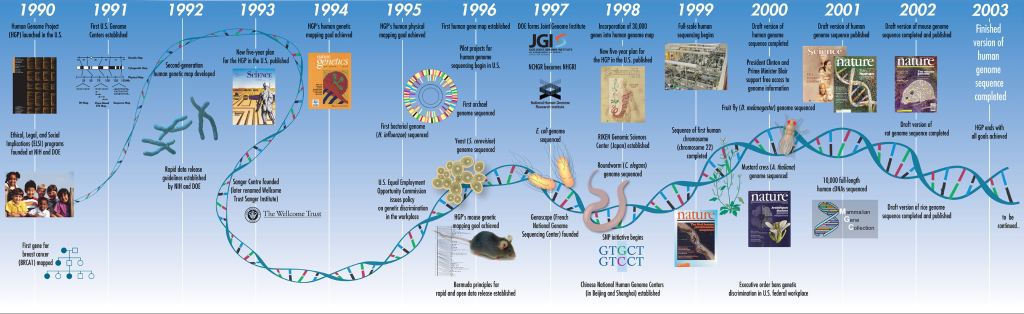
An international research project called The Human Genome Project was undertaken to map all the genes of humans. The project has benefited to help us detect early onset of diseases using genetic profile, helps to customize medication to fit the treatment, develop better yielding and disease resistant plants using their DNA sequencing, etc. The complete DNA sequencing of more and more organisms, including humans, will revolutionize biology and medicine. This study may answer age old questions such as how organisms evolved, whether synthetic life will ever be possible, and how to treat a wide range of medical disorders.
My References
https://www.mun.ca/biology/scarr/Human_Genome_Project_timeline.html
Comfortable in your own SKIN.

The largest organ in the human body, the skin, is a protective barrier of the integumentary system that covers around 22 square feet of area. Skin is only a few millimeters thick but is around one-seventh of our overall body weight. The three layers that make up the overall structure of the skin are the epidermis, the dermis, and the hypodermis. The epidermis protects the skin and creates new skin cells to replace the dead ones on the surface. The dermis is the thickest layer of the skin and is responsible for touch, fighting infection, and the production of sweat. Collagen is a protein that makes skin cells strong and the protein elastin, keeps skin flexible. The hypodermis part of the skin is made up of fatty tissue to provide insulation and to store energy. Regulation of body temperature is possible through this layer and dehydration is prevented as well. Skin protects the body from microbes and is responsible for the sensations of heat and cold.
Acne, Eczema, Psoriasis, Rosacea, Skin Cancer are some of the commonly known diseases. Skin diseases could be caused by bacteria caught in pores, allergen’s, medications, diabetes, UV radiation, Genetics, or due to diseases effecting other internal organs. Skin might appear discolored, patchy, peeling with open lesions, pus filled bumps, scaly or rough when having certain disease. A biopsy or patch test is usually performed to diagnose the underlying cause. Sometime it is treated using antibiotics, antihistamine, steroids, ointments or creams.
You can maintain skin health by drinking plenty of water and plant-based diet. Beauty sleep is also important. Sun protection must be used as necessary. Contact with harsh chemicals should be avoided. Skin conditions arising due to genetics cannot be avoided.
May is Skin Cancer Awareness month in USA and November is the national Healthy Skin Month. About 20% of the US population will develop Skin Cancer. It is due to the photosensitivity of the skin
My References :
https://www.aad.org/public/public-health/awareness-campaigns/national-healthy-skin-month
https://my.clevelandclinic.org/health/diseases/21573-skin-diseases
Super Spi(c)es – Black Seed and Carom Seed
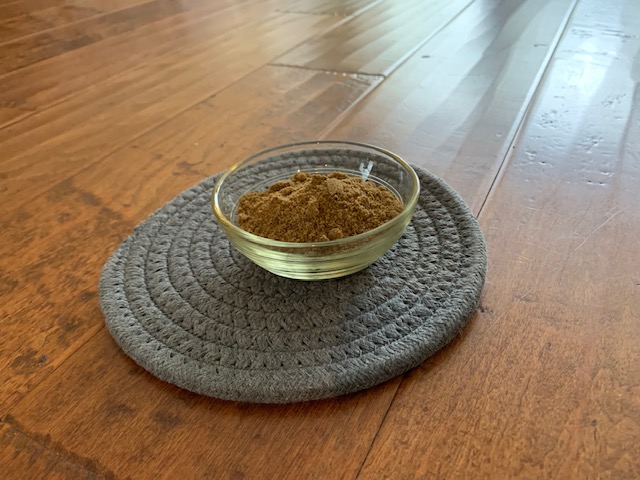
The number of individuals who suffer from health conditions late in life is drastically increasing daily and without proper health precautions this can lead to conditions such as high blood pressure, trouble breathing, and narrowing of vessels. With various members of my family having to fight diabetes, I know the importance of receiving proper treatment and maintaining a balanced lifestyle to reduce the impact of diabetes leading to other organ damages. My grandparents take a mixture of Black Seed and Ajwain (Carom Seeds) as a supplement every day. These spices claim anti-inflammatory, antioxidant and anti-fungal health benefits although there is no proper scientific evidence to support it. They have been part of traditional medicine system.

Nigella sativa or Black seed is one shrub that can provides a great amount of nutritional benefit . The antioxidant properties of this contributes to its antifungal property and the ability to relieve inflammation for the skin. High blood pressure and cholesterol (commonly effects of diabetes) can be combated through taking this spice. It is consumed with oil to improve bioavailability.
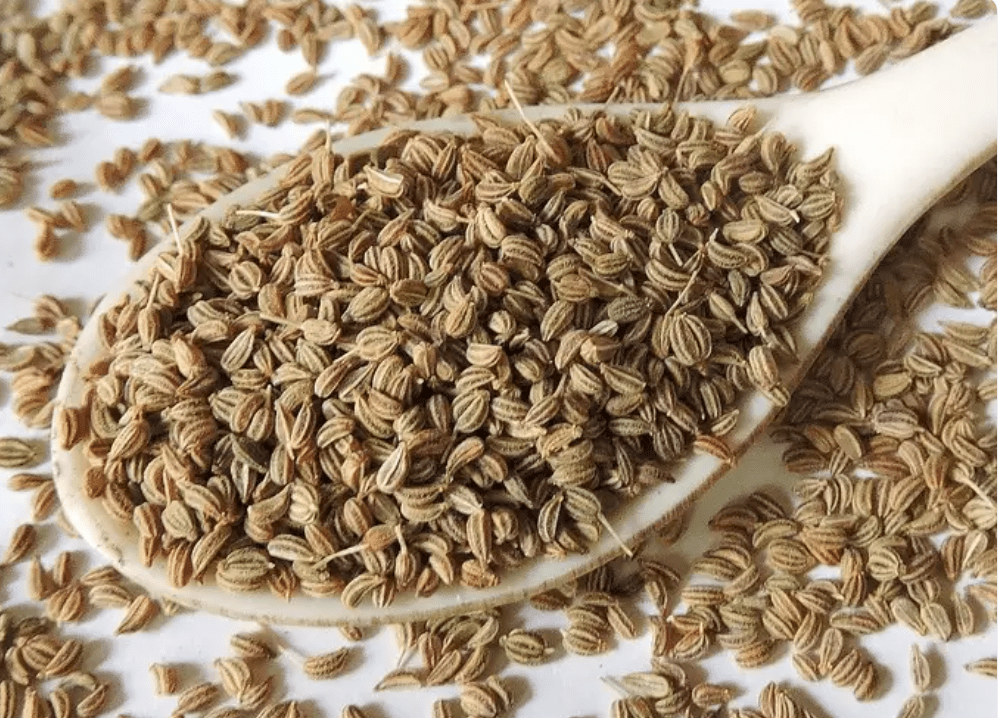
Another plant with similar properties is Ajwain belonging to the Apiaceae family. Oils such as thymol which is found in this plant keep calcium out to lower blood pressure and can prevent infections growing. It is commonly used to solve digestive issues. Utilizing plant-based products can contribute towards improving nutritional well-being so that long-term issues will not arise. They have been made a part of ancient Indian diet system so that the consumption is moderate, and health is maintained.
Note that supplements should be consumed after consulting your healthcare provider for possible side effects and recommeded dosage.
My References :
https://www.healthline.com/health/food-nutrition/black-seed-oil-benefits
https://www.webmd.com/diet/health-benefits-ajwain
https://www.healthline.com/nutrition/carom-seeds#The-bottom-line
Oral Health to Overall Health
“For bacteria, the mouth is the entrance to the digestive and respiratory tract.”, says the Dean of Arizona State School of Dentistry and Oral Health. “Studies have suggested that oral bacteria and the inflammation associated with periodontitis might play a role in some diseases. These include: endocarditis, cardiovascular disease, complications during pregnancy and pneumonia”. This helps us understand how important our dental health is.
Oral health care is important in the early stages of a child’s life for protection against infections and diseases. The early decay of teeth can create problems including painful gums, difficulty with eating, and inflammation in the gum area. Maintaining the proper habits of brushing and flossing and having proper intake of fluoride are steps towards having good dental health. Fluoride is a mineral in dental products which hardens the tooth enamel and reduces the risk of cavity. The daily required fluoride that benefits children’s health can be acquired by drinking tap water. The routine of brushing for 2-3 minutes daily and flossing at least once a day goes a long way reducing interdental plaque located in the mouth. Visiting the dentist should be an action that occurs twice a year for checkups on the dental health of individuals. Setting habits early prevents decay and disease in the future and positively contributes towards good oral health and overall health.
Traditional medicines were more focused on preventing the teeth decay and infection. An interesting fact is that Asian traditional medicines consider that examination of the tongue is important for diagnostic purposes as toungue harbors 50% of the bacteria. Some of the day to day items associated with Oral health are mint, lemon, baking soda, clove, activated charcoal, oil pulling, Azadirachta indica (Neem).
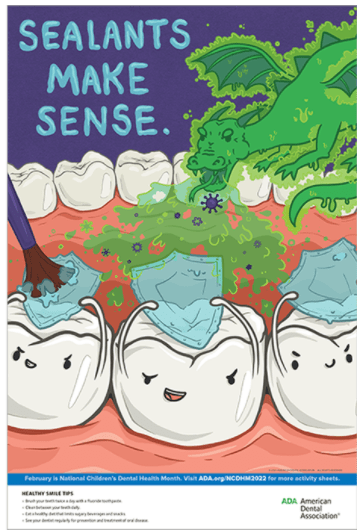
Each February, the American Dental Association (ADA) sponsors National Children’s Dental Health Month to raise awareness about the importance of oral health. The material has been shared across millions of people across the country to raise awareness.
My References :
https://www.cdc.gov/oralhealth/basics/index.html
https://gently.curaden.com/the-mouth-is-the-gateway-to-the-whole-body/
https://www.ada.org/resources/community-initiatives/national-childrens-dental-health-month
Sustainable Earth || Alkaline Battery
Mankind has created many objects of convenience which has high utility value but the impact on the environment and life is proving disastrous. These are so integrated into our daily life that we must be savvy about their use and disposal. Today I start this series with Battery.
There are three primary battery types available for consumer use. They are alkaline, nickel metal hydride (NIMH), and lithium ion. For the good of the environment, utilizing metal-free batteries is essential for its recyclable and sustainable qualities. Polypeptide organic radical construction is a step towards the implementation of effective battery usage. Currently Lithium-ion batteries are used which require cobalt and large amounts of labor effort. These batteries are hard to recycle and preserving energy is difficult after usage. Composed of the negatively charged anode and positively charged cathode, so that crucial ions are able to flow.
My References:
https://paleblueearth.com/blogs/news/3-main-battery-types
https://earth911.com/recycling-center-search-guides/?utm_source=earth911-header
Glaucoma – The sneak thief of sight
Eye is the most important of our five sensory organs. It is described as our window to the world. Almost half of our brain is dedicated to Vision in a direct or indirect form. There are around 6 major diseases that affect our eyes and Glaucoma is the second leading cause of blindness in the world.
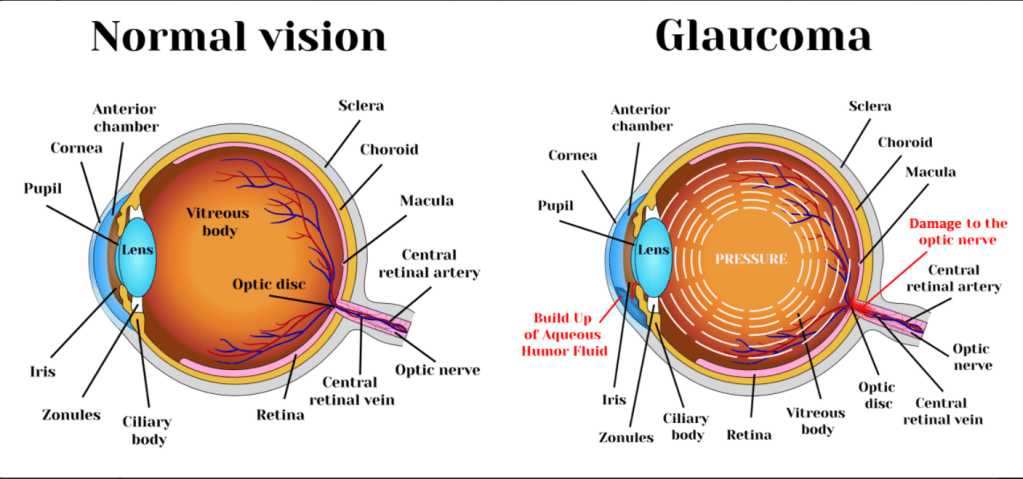
Glaucoma disease is a group of eye conditions where the optic nerve is damaged, significantly hindering vision. Pressure inside of the eye through intraocular processes is a way in which the optic nerve gets damaged. Aqueous humor blockage when the channel is disrupted causes this disease. Other reasons include chemical injury to the eye, eye infection, and blocked blood vessels, but these causes are less often. Loss of sight and blindness can result as this disease develops in an individual.
The two main types of Glaucoma are open-angle glaucoma and angle-closure. With open-angle glaucoma the drain structure in eyes does not have proper flow of fluid. With angle-closure glaucoma the drain space between iris and cornea becomes narrow.Treatment options include prescription medicine, Surgery, and\or Laser treatment.
Prevention methods include getting regular dilated eye examinations, taking prescribed eye drops, and wearing eye protection, consuming leafy green vegetables as part of your lifestyle. Some people of certain ethnicity Hispanic/Latino over age of 60, African-Americans over age of 40, family history, etc are at higher risk.
Prevent Blindness, the nation’s oldest voluntary eye health organization, is joining with other leading vision and eye health groups in declaring January as National Glaucoma Awareness Month.
My References
https://www.nei.nih.gov/learn-about-eye-health/eye-conditions-and-diseases/glaucoma
https://www.webmd.com/eye-health/glaucoma-eyes
https://www.glaucoma.org/glaucoma/
 Journey into the World of Life Science