Stroke – we need to check FAST

Stroke occurs due to a decrease or blockage in the brain’s blood supply. When the brain does not receive enough oxygen and nutrients, damage may start to occur. A person experiencing a stroke needs immediate emergency treatment. Most of the strokes are treatable however some may lead to damage of part of brain or even death. Stroke is the 5th leading cause of death  in the United States with nearly 800,000 people have a stroke each year.
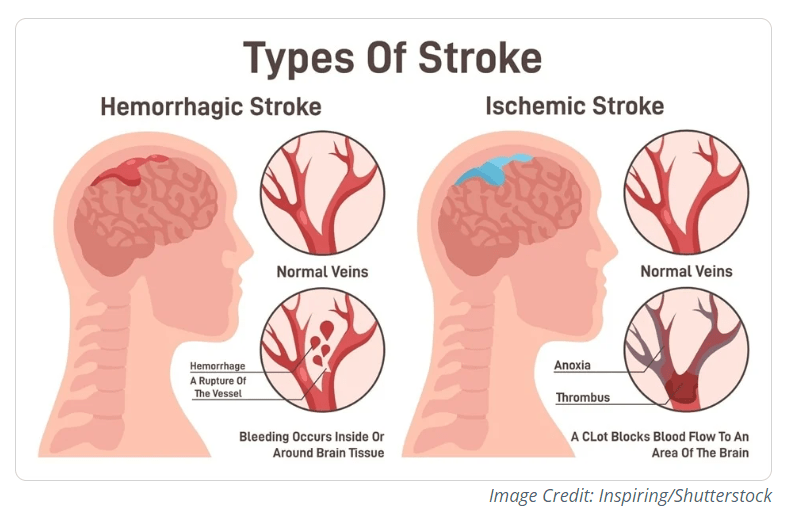
The 3 type of strokes are Ischemic stroke (caused due to a clot) , Hemorrhagic stroke ( rupture of blood vessel) or Transient ischemic attack ( also called a ministroke – happens when blood flow to a part of brain is limited for a short period of time and then resumes).

Ischemic stroke is the most common type. This is caused due to blockage of a vessel carrying blood to brain . This is treated by medication to breakdown the clot and prevent more from forming. A doctor may administer blood thinners such as aspirin or an injection of tissue plasminogen activator (TPA). There are interventional procedures such as angioplasty.

Hemorrhagic stroke occurs when a blood vessel breaks. This might be due to high BP or aneurysms (malformations in the vessels). This is treated by drugs to control pressure building up within the brain and the overall blood pressure.
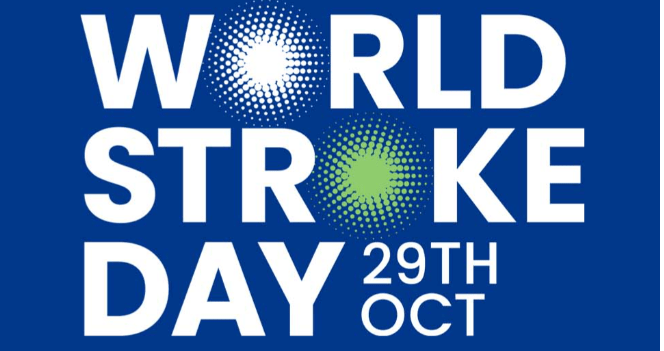
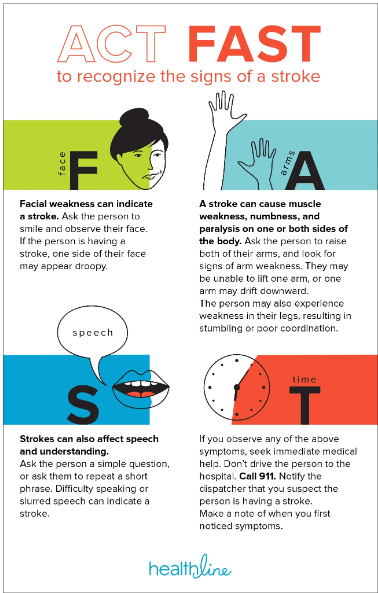
The best way to prevent a stroke is by making lifestyle changes such as: eating a healthful diet, avoiding inactivity, maintain a good weight, avoid tobacco and drinking in moderation. Portion the amount of red and processed meat in the diet, as well as saturated fats.  Be mindful and do moderate salt intake to support healthy blood. Oct 29th is celebrated as World Stroke Day to increase awareness. We must pay attention to F.A.S.T rule and save a possible stroke victim.

My References :

https://www.cdc.gov/stroke/about.htm#:~:text=A%20stroke%2C%20sometimes%20called%20a,term%20disability%2C%20or%20even%20death

https://www.mayoclinic.org/diseases-conditions/stroke/symptoms-causes/syc-20350113

The Flu or a Cold ?

Photo Credit – NFID

Influenza (Flu) is a contagious viral infection that effects our respiratory system. It usually starts like a common cold – sore throat, runny nose and sneezing but could have other symptoms like muscle aches, chills, weakness, headache and cough.

The virus travels through air droplets when an infected person sneezes or coughs. We would inhale this directly or pick this up from an object where it had landed. The strains keep mutating every season. So, if you have had flu before, antibodies will be present in your body however they might not be able to prevent the new virus 100% but only shorten the severity of the infection. Same effect will be for the vaccine also.

Flu would usually last for 10 days and goes away without any lingering effects. However, for children and adult with high risk, flu could develop Pneumonia, Bronchitis, Asthma flareup and ear infection.

Flu can be treated at home by taking antivirals to reduce the time of sickness and reduce any serious issues. If there are certain symptoms like dizziness, seizure or severe muscle pain, it is advisable to see your physician.

Center for Disease Control recommends that everyone ages 6 months and up should get flu vaccines every year. The spread of infection can be managed by Washing hands frequently, covering your cough and sneeze, avoid touching face, keep the surfaces sanitized and avoid crowded places if possible.

World Health Organization recommends annual vaccination for:

Photo Credit – Nfid
  • pregnant women at any stage of pregnancy
  • children aged between 6 months to 5 years
  • elderly individuals (aged more than 65 years)
  • individuals with chronic medical conditions
  • health-care workers.

My References :

https://www.mayoclinic.org/diseases-conditions/flu/symptoms-causes/syc-20351719

https://www.cdc.gov/flu/about/keyfacts.htm

https://www.who.int/news-room/fact-sheets/detail/influenza-(seasonal)

Oral Health to Overall Health

“For bacteria, the mouth is the entrance to the digestive and respiratory tract.”, says the Dean of Arizona State School of Dentistry and Oral Health. “Studies have suggested that oral bacteria and the inflammation associated with periodontitis might play a role in some diseases. These include: endocarditis, cardiovascular disease, complications during pregnancy and pneumonia”. This helps us understand how important our dental health is.

Oral health care is important in the early stages of a child’s life for protection against infections and diseases. The early decay of teeth can create problems including painful gums, difficulty with eating, and inflammation in the gum area. Maintaining the proper habits of brushing and flossing and having proper intake of fluoride are steps towards having good dental health. Fluoride is a mineral in dental products which hardens the tooth enamel and reduces the risk of cavity. The daily required fluoride that benefits children’s health can be acquired by drinking tap water. The routine of brushing for 2-3 minutes daily and flossing at least once a day goes a long way reducing interdental plaque located in the mouth. Visiting the dentist should be an action that occurs twice a year for checkups on the dental health of individuals. Setting habits early prevents decay and disease in the future and positively contributes towards good oral health and overall health.

Traditional medicines were more focused on preventing the teeth decay and infection. An interesting fact is that Asian traditional medicines consider that examination of the tongue is important for diagnostic purposes as toungue harbors 50% of the bacteria. Some of the day to day items associated with Oral health are mint, lemon, baking soda, clove, activated charcoal, oil pulling, Azadirachta indica (Neem).

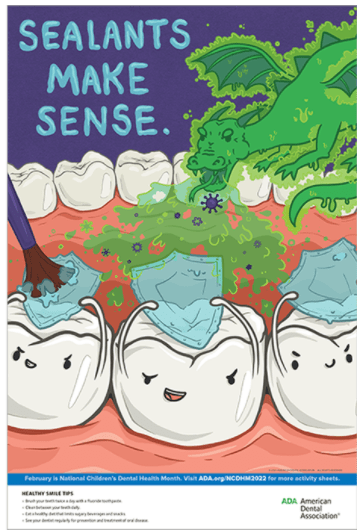
ADA poster 2022

Each February, the American Dental Association (ADA) sponsors National Children’s Dental Health Month to raise awareness about the importance of oral health. The material has been shared across millions of people across the country to raise awareness.

My References :

https://www.cdc.gov/oralhealth/basics/index.html
https://gently.curaden.com/the-mouth-is-the-gateway-to-the-whole-body/

https://www.ada.org/resources/community-initiatives/national-childrens-dental-health-month

Covid and Oral Health

Alzheimer’s Disease – the big eraser…

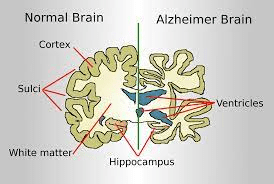
Photo credit – Getty Images

November is regarded as national Alzheimer’s Disease month to spread awareness on its effects and overall impact. Alzheimer’s is a brain disorder that breaks down memory skills and is the leading cause of dementia. This disease is regarded as one of the leading causes of death in the U.S. and can result in individuals having to rely on others to function. Examples of dementia that affect those with Alzheimer’s include Lewy Body dementia, vascular dementia, mixed dementia, and more. Abnormal buildup of proteins is created with this disease forming plaques preventing function of healthy neurons. Neuron death affects the overall brain tissue as it spreads more and more. Cognitive impairment is another effect causing memory problems interfering with everyday life actions and decisions, problems involving movement difficulties and smell are correlated with the impairment. The three different stages of Alzheimer’s which are Mild, Moderate, and Severe all have greater side effects and show the importance of proper treatment.

Factors such as genetics, vascular conditions, diabetes, and more are reasons for Alzheimer development. The Alzheimer’s foundation of America wanted to bring awareness during this month for the sake of the 6.2 million Americans living with the disease and to help those to help with the fight. Through strategies such as spreading word through social media, joining walks, donating, and creating fundraisers are some ways that the organization is trying to help and for others to join along in the movement.

My References :

https://www.alz.org/alzheimers-dementia/what-is-alzheimers
https://www.nia.nih.gov/health/alzheimers-disease-fact-sheet
https://www.downtoearth.org.in/news/why-india-has-the-worlds-lowest-rate-of-alzheimers-disease-9366

Managing Diabetes ..One day at a time

Diabetes is a chronic health condition that impacts how the body creates energy from food. Insulin facilitates a passageway for blood sugar to enter into cells for energy. With diabetes, not enough Insulin is produced by Pancreas (Type 1) or Insulin is not effectively absorbed (Type 2) and blood sugar stays in the bloodstream. Serious health problems also result from this to internal organs including the heart, vision  and kidney.

Risk factors for Type 1 includes Family history, Age, Genetics. However Type 2 diabetes could onset if you are prediabetic, overweight, inactive lifestyle etc.

As per WHO, Diabetes is the 9th leading cause of death around the world. Structured lifestyle intervention including nutrition management and active lifestyle can reduce the risk by half. Insulin therapy is a keyway of managing diabetes. There are medications that slowdown the process of breakdown of carbohydrates, block certain enzymes, etc.

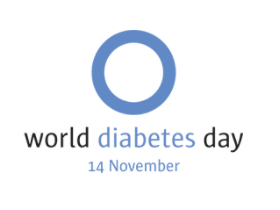
To increase awareness, the International Diabetes Federation has declared World Diabetes Day as Nov 14, 2021. This year marks the 100th Anniversary of discovery of Insulin. There are many advancement in wearable technology to monitor and manage Diabetes. WHO has added diabetic medication to the Essential Medicines list. The cost of Insulin is very high and is not readily accessible to low and mid income groups in developing countries.

The onset of diabetes in youth are also on the rise. We should follow a balanced diet rich in complex carbohydrates or whole grains, lean meat, Non Starchy vegetables and fiber-rich-fruits and sweet in moderation, along with active lifestyle, stress management should help to sent Diabetes into remission.

My References

https://www.cdc.gov/diabetes/basics/diabetes.html

https://www.idf.org/who-we-are/about-idf/logo.html
https://worlddiabetesday.org/activities/

https://www.healthline.com/diabetesmine/november-world-diabetes-day-and-diabetes-awareness-month

About