Sustainable Earth || Compost

The US is extremely self-sufficient when it comes to producing food. However 40% of this food is wasted.Refer the EPA’s chart for food recovery hierarchy. I was curious about how we could help as individual. Our trash has plastic wrappings, packages that recycle service do not take, non-biodegradable materials, and organic waste -vegetable peels, food waste. It is the organic matter that we can work with.
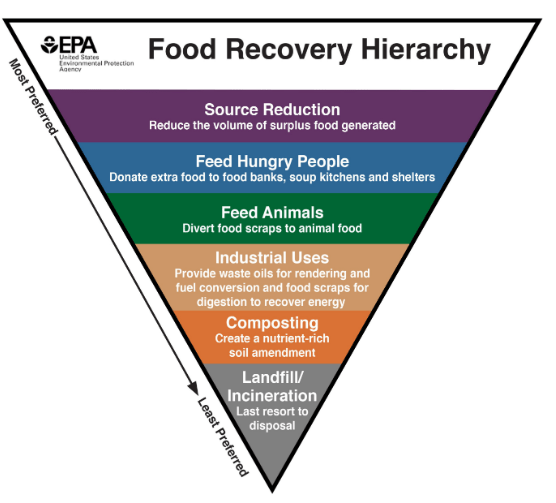
Photo Credit – EPA

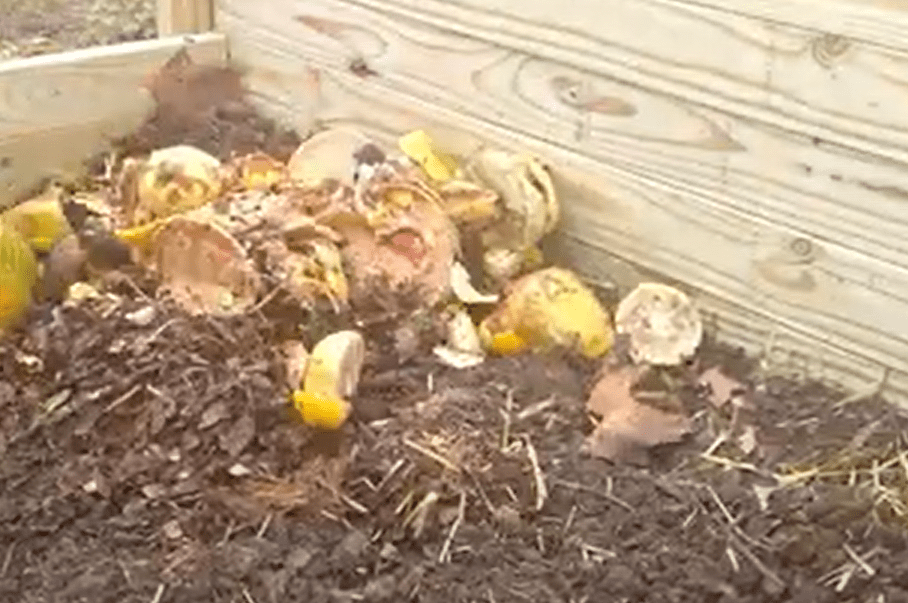
According to NRDC (Natural Resources Defense Council) website, ‘Composting is the natural process of recycling organic matter, such as leaves and food scraps, into a valuable fertilizer that can enrich soil and plants. Anything that grows decomposes eventually, composting simply speeds up the process by providing an ideal environment for bacteria, fungi, and other decomposing organisms (such as worms, sowbugs, and nematodes) to do their work. The resulting decomposed matter, which often ends up looking like fertile garden soil, is called compost.

To decompose organic matter  Nitrogen, Air, Water and Carbon are required elements. The ideal Carbon to Nitrogen ratio 30 : 1. Grass clipping, leaves, organic waste and coffee /tea grounds for Nitrogen rich or green component. Carbon will be the brown component – dried leaves, branches, etc. Aeration is important and moisture should also be checked. The temperature of pile rises as bacteria breaks down the materials. It can take from a few weeks to months for some materials to decompose.

There are commercial products such as compost tumbler, Indoor compost bucket using activated charcoal filters, and Smart composters like Lomi. There are counties that provide the compost services and with food waste drop off services like – https://www.orlando.gov/Initiatives/Food-Waste-Drop-Off. Otherwise there are paid services that does this like in our area- https://o-towncompost.com/
My References :

https://www.nrdc.org/stories/composting-101

https://www.healthline.com/nutrition/composting-beginners-guide#getting-started
https://www.epa.gov/recycle/composting-home
Sustainable Earth || Single use Plastic

credit – greenpeace.org

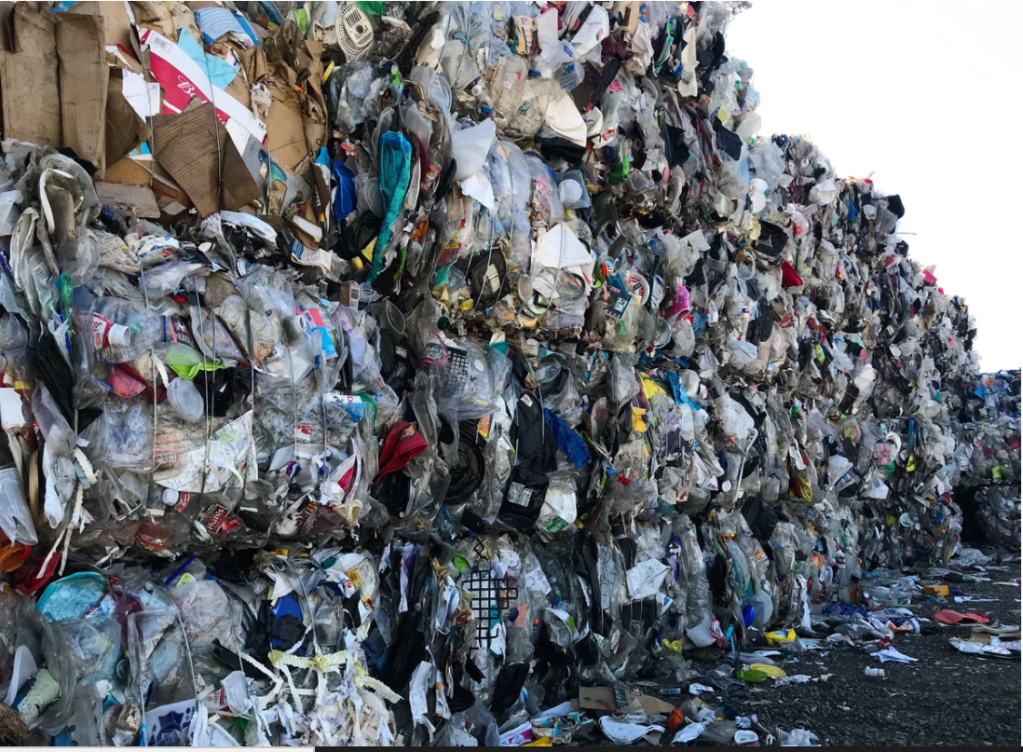
Plastic is versatile and is very efficient to protect the product from external contaminants and elements. It is difficult to imagine a world without plastic, but the plastic waste is creating ecological nightmare. It can take about thousands of years to breakdown in our landfills. In today’s society, we produce nearly 300 million tons of plastic waste each year, and much of this waste continues to persist in the location they are left. Reducing wastage will reduce greenhouse gas emission, slowing down climate change.  Every year, hundreds of volunteers spend hours cleaning beaches, parks and other public places. Countries are trying to come up with sustainable plastic waste management.

Credit – npr.org

Single use plastic and packaging are a big source of waste. Nowadays foods travel from distances up to thousands of miles to stock grocery stores shelves, in this process nutrients are lost and a lot of packaging is involved to preserve them. We as a community should buy locally sourced products that has none or biodegradable qualities for packaging. In the short-term, paper, glass, and metal can  be used as alternatives for plastic where feasible.

Plastic in our life is not limited to this. It is present in clothing, utensils, cellphone, PVC, safety gears, you name it and it will be part of it. Plastic pellets from many different products we use, enters in large quantities into natural environment. Governments need to fund research for successfully producing biodegradable plastic to use in all essential items. Experiments involving photodegradation should be conducted to get closer to our goal of reducing wastage of plastic into the ecosystem.We must check as to how we can reduce the use of plastic where feasible and sent less waste to landfill.

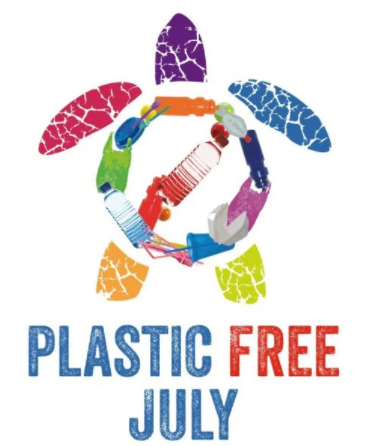
In 2022 International Plastic Bag Free Day is on July 3rd. It is Plastic Free July. Let us take pledge to reduce plastic waste.

My References

http://www.chemicalsafetyfacts.org/plastics/#:~:text=Plastics%20are%20used%20to%20make,homes%20and%20buildings%20energy%20efficient
https://www.plasticgarbageproject.org/en/plastic-life
https://www.prysmiangroup.com/en/insight/sustainability/how-to-reduce-plastic-use-in-daily-life