Circadian rhythms are our internal clock like processes -physical, mental, and behavioral changes- that follow a 24-hour cycle. This follows the bodies response to light and darkness. These in built process effects all life forms. Chronobiology is the study of circadian rhythms. The term circadian comes from the Latin phrase “circa diem,” which means “around a day.”. Our Sleep-Wake cycle, opening of flowers, returning of birds to nest, etc are examples of the rhythm at work around us. Body produces proteins to match the timing of the meal.
These rhythms are endogenous and controlled by the master clock in the brain that responses to the amount of light in the surrounding environment.Specifically, it is found in the suprachiasmatic nucleus (SCN), which is in a part of the brain called the hypothalamus. But when this circadian rhythm is thrown off, it can create significant sleeping problems, including insomnia. Research is also revealing that circadian rhythms play an integral role in diverse aspects of physical and mental health.
This rhythm is entrainable meaning they can be reset. When we travel across time zones, the human biological clock adjusts to the local time.Melatonin and Cortisol are regulated as part of the Circadian Rhythm.
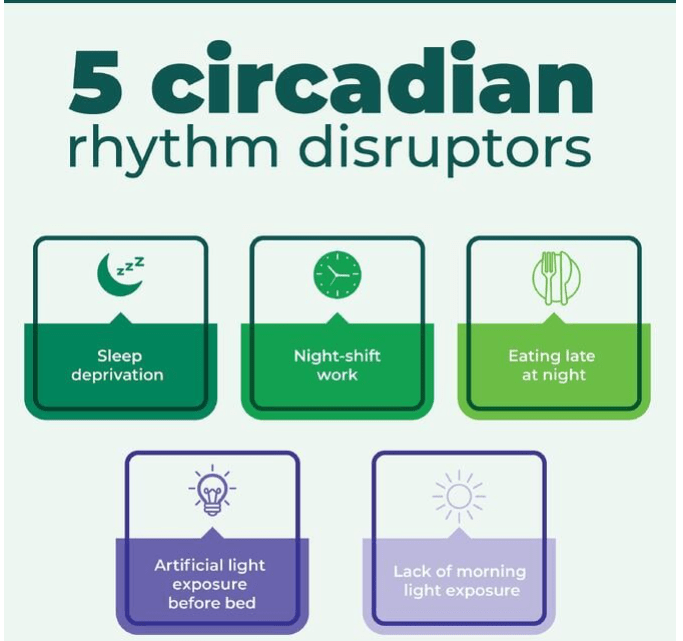
Photo Credit – Inside tracker blog
The bio markers for measuring the timing of a mammal’s circadian rhythm are:
- melatonin secretion by the pineal gland
- core body temperature is low during night and higher during the day
- plasma level of cortisol
Age and level of activities play a role in the circadian rhythm. Following the rhythm will help us maintain a good life.
My References:
https://www.sleepfoundation.org/circadian-rhythm
https://www.healthline.com/health/healthy-sleep/circadian-rhythm
https://www.youtube.com/watch?v=M-Tdvu3N8dA

Photo Credit – Wikipedia

 Journey into the World of Life Science